Merano Travel Guide: Spa, Wine, and Slow Travel
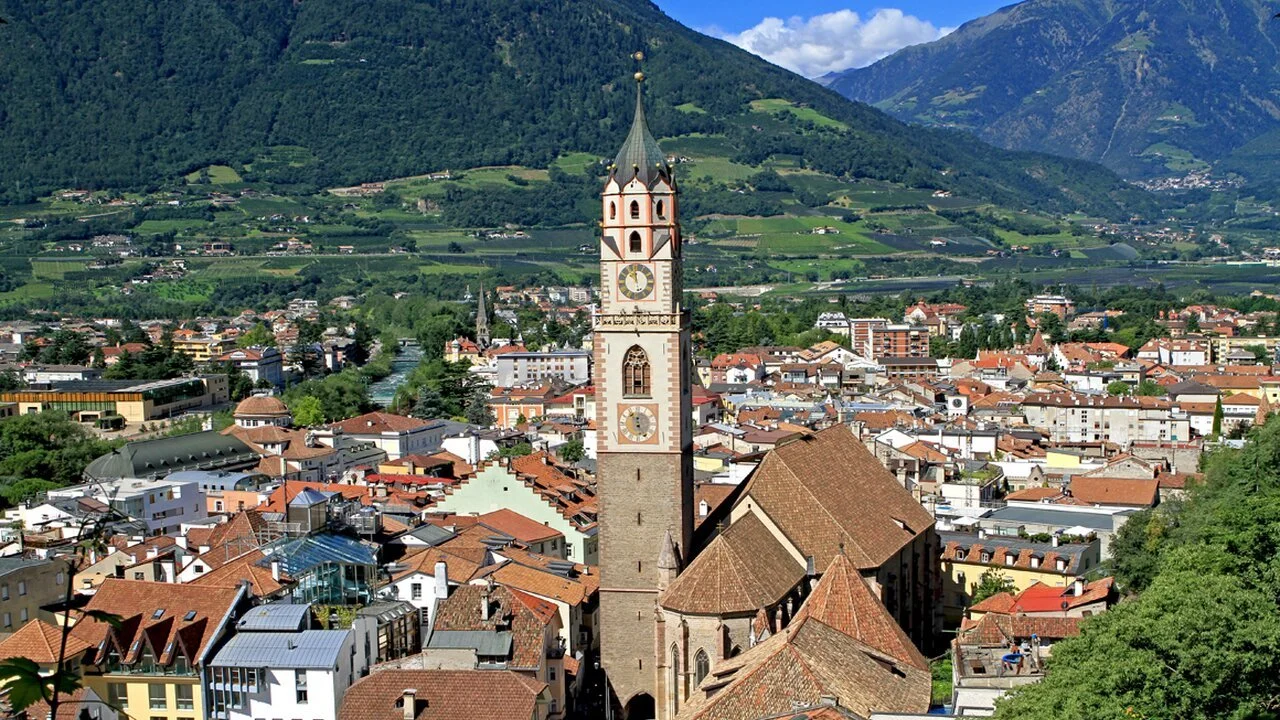
Merano feels different from the Dolomites. Warmer, more sheltered, and built around a completely different rhythm. There are palm trees alongside mountain views, a river promenade designed for slow afternoon walks, and a spa and wine culture that has drawn visitors here for well over a century. If you want a place where the whole point is to stop rushing, Merano is it.
What Merano actually feels like
This is a town you move through slowly. The streets are walkable and unhurried, the cafés spill out onto pavements, and the river runs through the centre with wide promenades on both sides. It sits in a sheltered basin at a lower altitude than the main Dolomites valleys, which gives it a noticeably milder climate and a more Mediterranean feel than you might expect from a mountain town. First-time visitors are often surprised by how relaxed it is. That is not a coincidence. It is what the town is designed for.
What to do here
The promenades along the Passirio river are the heart of the town and the best place to start. There are several routes, each with a different character, and walking them at whatever pace suits you with no particular destination in mind is one of the most enjoyable things you can do here. Stop for a coffee, sit on a bench, watch the river. There is no wrong way to do this part of the day.
The Terme Merano thermal baths are what most people come specifically for. The complex has indoor and outdoor pools, steam rooms, saunas, and a relaxation area, all set against the backdrop of the mountains. An afternoon here is genuinely one of the best ways to spend time in the region, particularly at the end of a more active stretch in the Dolomites. If your accommodation has its own spa facilities, between the two you will have more than enough to fill the slow parts of each day.
Food and wine in Merano are quietly excellent. This is wine country, specifically the Alto Adige wine region, and the local whites are some of the best in Italy. You do not need formal tastings or structured experiences. Sitting outside at a good restaurant with a glass of Pinot Grigio or Gewürztraminer and a plate of local cheese and cured meats is the correct approach. Keep it simple and it will be very good.
If you want a bit of movement, the town and surrounding area offer easy walks that do not require hiking gear or long days. The Tappeiner path above the town gives you views over Merano and the surrounding vineyards without any significant effort. Short drives to nearby villages like Tirolo and Lagundo add variety if you want to explore a little further.
Who Merano works best for
Merano is the right choice if you want a slower pace, care about food and wine, and enjoy the idea of spa afternoons and relaxed evenings. It works particularly well for people who have already spent a few days in the Dolomites and want to end the trip somewhere that feels like a genuine rest rather than more sightseeing.
It is not the right choice if you want to be in the middle of high alpine scenery, plan to hike every day, or need direct lift access to major Dolomites viewpoints. Merano is about being where you are, not using it as a base to reach somewhere else.
How long to stay
Two to three nights is the right amount for most people. That gives you enough time to settle in, do the thermal baths properly, eat well, and walk the promenades without feeling rushed. More than three nights can start to feel slow even for people who wanted a slow trip.
How it fits into a Dolomites trip
The structure that works best is to spend the active part of your trip in the mountains first and finish in Merano. A few days in Val Gardena or Alta Badia for the views, the cable cars, and the hiking, then two or three nights in Merano to decompress and eat well before travelling home. The contrast between the two parts of the trip makes each one feel more distinct. The Dolomites feel more dramatic when you know a slow ending is coming. Merano feels more earned when you arrive having actually done something active.
If you are still deciding how to split your time: Download the free Dolomites Base Guide
Want help structuring the full trip?
If you want someone to look at your dates and put together a clear plan that balances the active Dolomites part with the right amount of time in Merano, the planning service is exactly what it is there for.
