Parking in the Dolomites: what you need to know before you go
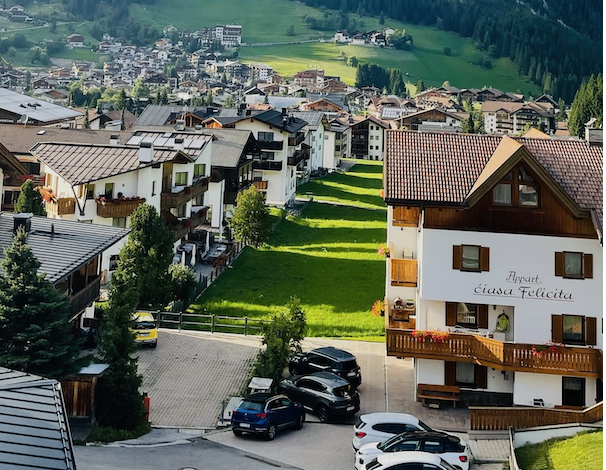
Parking is one of those things people barely think about when planning a Dolomites trip, but it can completely change how a day works.
After 16 years of driving around the Dolomites, my rule is simple: before any popular mountain day, check whether you need a parking reservation, whether the road has access restrictions, and where you actually need to park. Arriving early still helps, but at some of the busiest places, it is no longer enough.
The lesson that takes most people by surprise
One of the things I have learned after years of returning to the Dolomites is that parking often determines the success of a day more than the hike itself. Arrive early and everything feels calm. The car park has space, the path is quiet, and you are in the mountains before the crowds arrive. Arrive late and you are immediately dealing with queues, full car parks, and backup plans before you have even started walking.
I have had mornings where arriving an hour earlier completely changed the experience. The mountains were the same. The stress level was not.
The spots that catch people out most
Tre Cime is the one I would never drive to without checking the current system first. In 2026, parking at Rifugio Auronzo must be reserved online in advance, and your reservation is tied to a 12-hour access slot. If spaces are gone, you will need to use one of the shuttle options instead. At Tre Cime, buses run from Dobbiaco and via Misurina in summer. Check the current schedule and reservation requirements for your dates. The 2026 Dobbiaco–Rifugio Auronzo service requires reservations. Do not rely on advice from an older blog or assume you can simply turn up at the toll road.
Lago di Braies is another place where “just arrive early” is no longer enough advice. From July 1 to September 15, 2026, access to the Braies Valley between 9:00 AM and 4:00 PM requires public transportation, walking/cycling, or an online parking/transit reservation. You can drive in before 9:00 AM, but that does not guarantee you a parking space. If you can't get there early, go late in the afternoon instead. The crowds thin out and the light on the water is softer.
If Braies is important to you, decide how you are getting there before that morning. My Lago di Braies guide covers the current access rules, the lake walk and what to expect when you get there.
Alpe di Siusi. If you are planning to drive up to Compatsch rather than take a gondola, check the access rules first. From June 29, 2026, parking at P1 Spitzbühl and P2 Compatsch must be reserved online in advance, and private cars can only drive up before 9:00 AM or after 5:00 PM.
For most first-time visitors, I think taking the gondola from Ortisei or Siusi is simpler than building the day around these driving restrictions.
Seceda is much simpler. There is paid parking and a garage directly at the bottom station in Ortisei, but it gets busy around the first lifts of the morning. If you are already staying within walking distance in Ortisei, I would leave the car at the hotel rather than drive across town just to park again.
Val di Funes has a few different parking situations, so it helps to know which part of the valley you are actually visiting. For the classic Santa Maddalena viewpoints, day visitors should park lower down at one of the designated parking lots, such as Putzen, Filler or Bergerplatz, and walk up. Barriers now enforce the restricted-access area around the church, although those driving restrictions are not entirely new.
If you are heading to Zannes for the Adolf Munkel Trail or Geisler Alm, use the Zannes parking lot. You can reserve a space online in advance, which is worth considering in busy summer period.
Want the parking details handy while planning your trip? Download my free Dolomites Parking Cheat Sheet for a quick reference to reservations, access restrictions, and parking at the most popular locations.
Payment: never assume
One of the most practical lessons from years of visiting is never to assume every parking area works the same way. Some accept cards, some prefer coins, and some rely on apps. The system can vary even within the same valley.
The visitors who get caught out are almost always the ones who assumed they would never need cash. Arriving at a remote car park early in the morning to find a coin-only machine with no signal for an app is a frustrating start to a mountain day. Carry some coins and a small amount of cash as a backup regardless of where you are heading.
It is also worth downloading any relevant parking apps before you travel and setting them up at the hotel rather than in a car park with poor signal. 5 Apps to Download Before Your Dolomites Trip includes the transport and navigation apps worth having ready before you arrive.
Alternatives to driving
For the two most problematic spots, there are alternatives worth knowing about.
At Lago di Braies, shuttle services operate during peak periods and public transport is actively encouraged. Some visitors staying nearby simply walk in early and avoid the car park question entirely.
At Tre Cime, shuttle buses run from several locations depending on the season and route. Taking a shuttle removes the parking stress completely and for many visitors is the more relaxed way to approach the area. Check current shuttle options for your travel dates as the arrangements vary from season to season.
The simple approach
Before a driving day, I check three things: whether parking needs to be reserved, whether the road has timed access restrictions, and exactly which parking lot I am aiming for. Then I decide what time the day actually needs to start.
That matters because parking is not really a separate part of itinerary planning. It affects which days work together, what order you do things in and how much you can realistically fit into a day.
If your hotels are booked but you are still trying to make the individual days work, that is exactly what I help with in my trip planning.
