Common mistakes people make visiting the Dolomites in winter
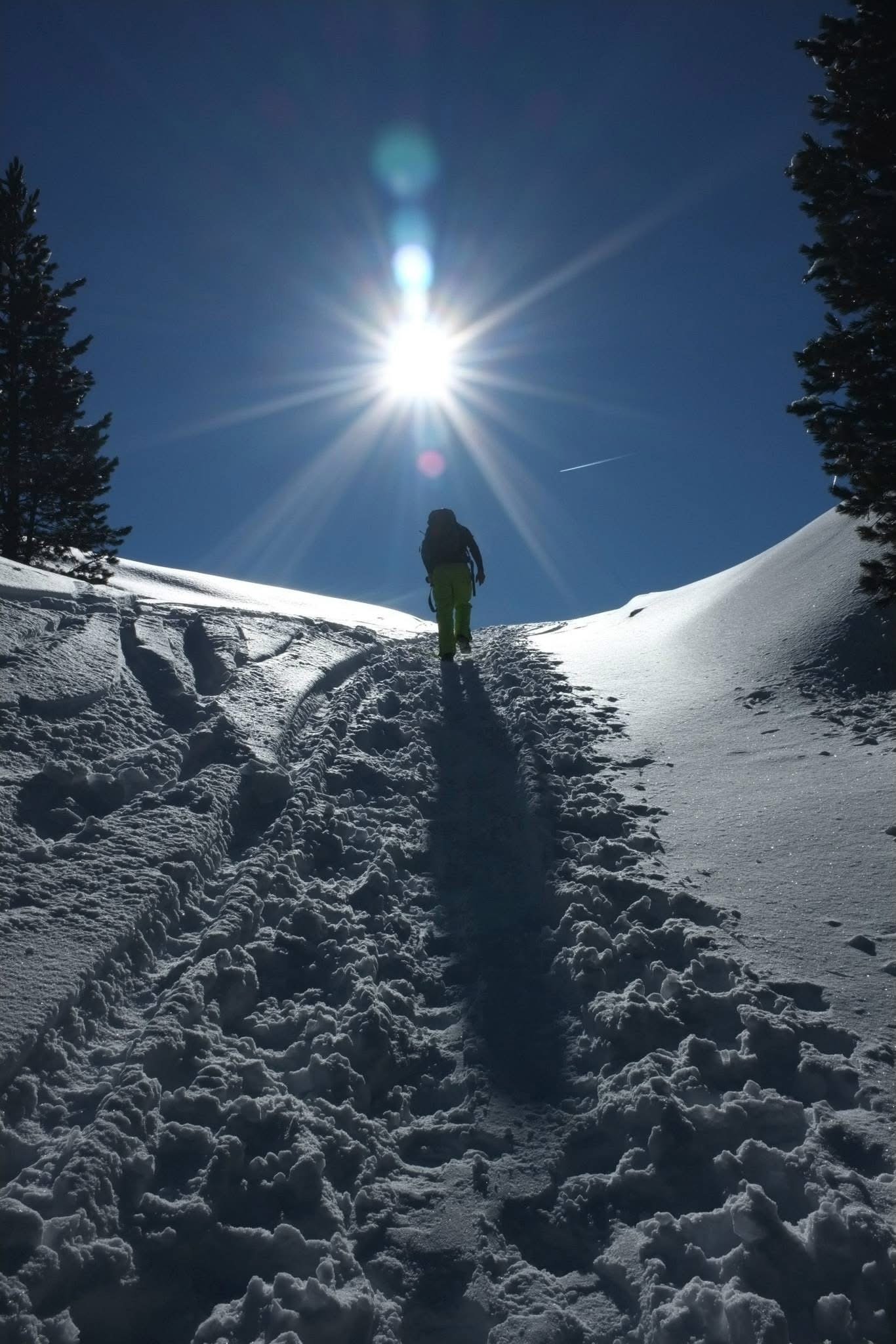
Winter in the Dolomites can be one of the most rewarding times to visit. The crowds are gone, the scenery is extraordinary, and the atmosphere in the mountain towns is genuinely special. But it works very differently from summer, and a lot of people don't enjoy their winter trip simply because they planned it with the wrong expectations.
These are the mistakes that come up most often.
Planning the days like a summer trip
This is the biggest one. In summer you can comfortably fit two or three activities into a day. In winter, days are shorter, cold affects your energy more than you expect, and travel on mountain roads takes longer. One main activity per day is the right approach. That might be a cable car and a walk, or a drive through a pass with a long lunch at a mountain hut, or a snowshoe route followed by an afternoon in a spa. One thing done well is almost always better than three things done in a rush.
Assuming everything runs daily
Not all cable cars and lifts operate every day in winter. Some close one day a week, others have reduced hours, and many are weather dependent. Building a plan around a specific lift without checking the schedule first is a common source of disappointment. Always check the official lift websites before committing to a day around them.
Getting the layering wrong
Some people arrive underprepared for the cold. Others overpack and end up carrying more than they need. The reality of a Dolomites winter, particularly in February, is that the cold is usually dry rather than damp, which makes it more manageable than people expect. Wind matters more than temperature. Layers that you can add or remove throughout the day beat a single very heavy coat. Good waterproof boots are non-negotiable.
For a practical packing reference: Packing Notes Cheatsheet
Choosing a ski-focused base when you don't ski
Some villages in the Dolomites are designed almost entirely around skiing. If you are not there to ski, these places can feel limited. What you want in a winter non-skiing base is a walkable town centre, good restaurants and cafés, spa access, and winter walking paths. Corvara and Ortisei both work well for this. They have enough going on to make evenings enjoyable and enough infrastructure for non-skiers to have genuinely full days.
For more on Corvara as a winter base: Corvara Travel Guide
Locking in too tight a schedule
Winter weather in the mountains changes. A plan that has no flexibility built in will hit problems. If you have pencilled in a cable car on a day when visibility is poor, you want to be able to swap it for something else without the whole trip falling apart. The best winter itineraries have a clear main plan and a simple backup for each day.
Ignoring daylight hours
Winter days in the Dolomites are significantly shorter than summer ones. The light goes earlier than most people expect, especially in January and February. That means outdoor activities need to happen in the middle of the day, not spread across morning and evening like you might do in summer. Plan to be outside between roughly 10am and 3pm, and keep evenings for dinner and relaxing.
Skipping the spa
A lot of people treat spa time as something they might do if there is a spare afternoon. In winter, it should be built into the plan deliberately. After a cold morning outside, an hour or two in a spa or thermal bath is not a luxury. It is what makes the trip feel balanced rather than exhausting. Most good hotels in the region have spa facilities, and Corvara in particular has some excellent options.
Expecting it to feel empty
Winter villages in the Dolomites are quieter than summer, but they are not closed. Restaurants are open, hotels are running, and there is a genuinely warm and local atmosphere that you do not get in peak season. Quiet is not the same as empty, and for many people it is exactly what they are looking for.
The bottom line
Winter in the Dolomites rewards people who plan realistically and slow down. Less on the schedule, more time in each place, and a willingness to let the weather shape the day rather than fight it. That is when it becomes one of the best seasons to visit.
For help planning a winter trip that works: How to Plan a 3 to 5 Day Winter Trip to the Dolomites
For a full overview of the region: Dolomites Region Guide
Want someone to put your winter trip together properly?
Winter planning has more variables than summer. Lift schedules, weather windows, base choice, and pacing all matter more when the days are short. If you want help getting it right, the planning service is exactly what it is there for.
