How the Dolomites have changed since 2010
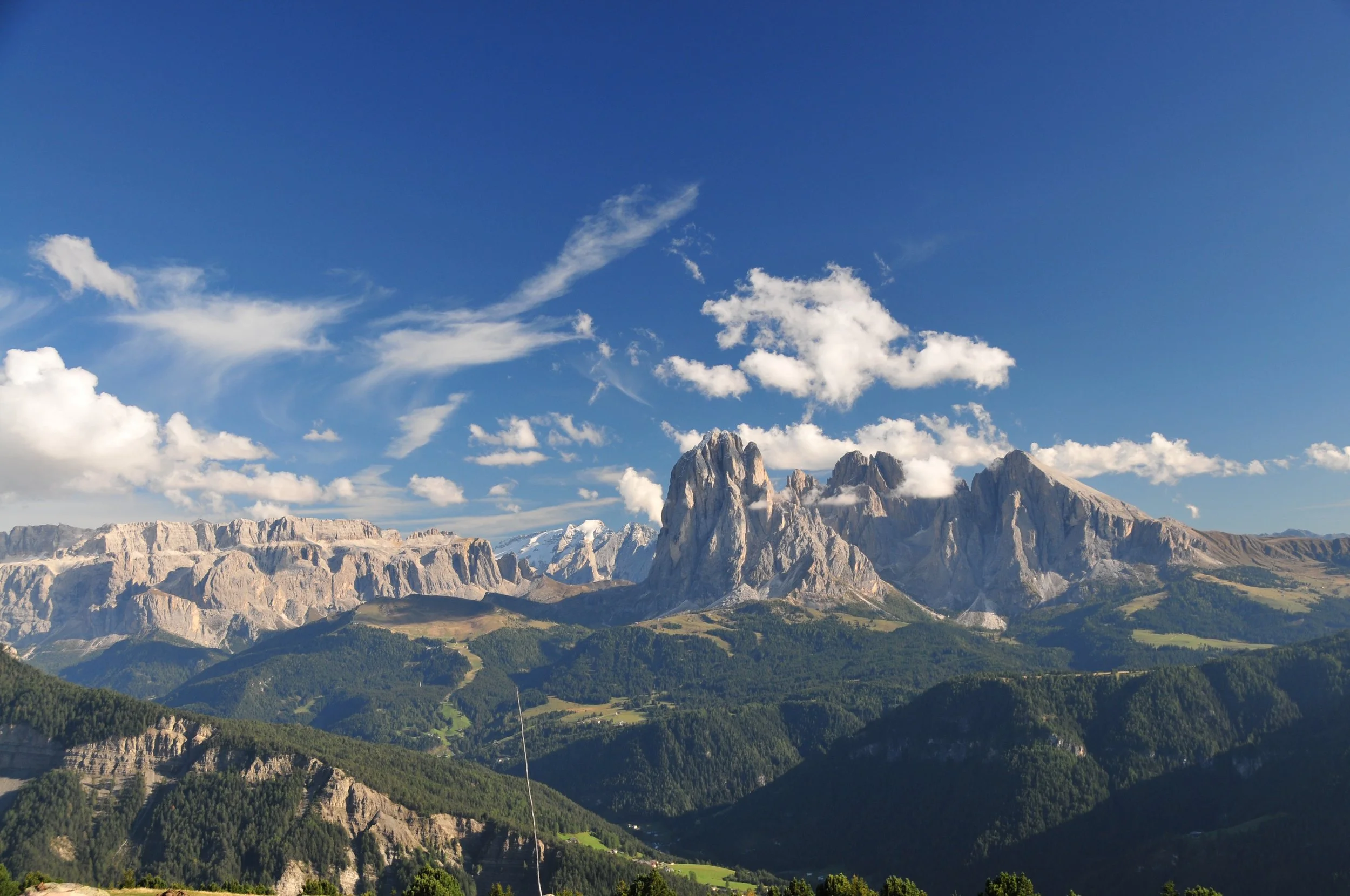
When Daragh and I arrived in Val Gardena in 2010, we had pieced together our trip from a handful of websites, a guidebook, and a map that Daragh had studied more carefully than I had. There was no Instagram. There were no reels of someone walking the Seceda ridge at golden hour with a perfectly timed drone shot overhead. There were no influencer guides to the best viewpoints or listicles telling you the ten things you must do in the Dolomites.
There was just the place itself, and you either found it or you did not.
Sixteen years later, the Dolomites is one of the most photographed mountain destinations in Europe. What has changed in that time is worth understanding before you visit, not because it should put you off, but because knowing it helps you plan a trip that still delivers what people have always come here for.
Finding information was much harder
In 2010, finding reliable English-language information about the Dolomites required genuine effort. The valley websites existed but were not built with international visitors in mind. Accommodation options were hard to compare. Trail information was scattered. If you wanted to understand the difference between Val Gardena and Alta Badia, you were largely working it out yourself.
That has changed completely. Every major valley now has well-developed English-language resources. The trails are documented in detail. Hotels have international booking platforms. You can research a Dolomites trip today with a level of thoroughness that simply was not possible in 2010.
This is a good thing. But it has also created a new problem. The volume of information available now is so large that many first-time visitors arrive overwhelmed rather than prepared. They have read everything and are still not sure what to do. The challenge has shifted from finding information to knowing which information to trust.
The crowds have changed
Val Gardena was busy in 2010. It has always been a popular destination for European visitors, particularly Germans and Austrians who have been coming to South Tyrol for generations. But the international visitor profile was different. American travellers were relatively rare. The queues at the major cable cars were manageable. Seceda on a summer morning did not require careful timing.
That is no longer the case. The Dolomites now draws visitors from all over the world, and the peak season pressure on the most well-known spots has increased substantially. Ortisei,Alpe di Siusi, and Tre Cime in particular have become genuinely crowded at certain times of day in July and August. The experience of standing on the Seceda ridge with almost no one else there, which I had on that first visit, requires either very early timing or a shoulder season trip.
This is not a reason to avoid these places. It is a reason to plan around them carefully.
Better infrastructure and more choice
The lift systems have grown. New cable cars have opened. Trails that were once lightly maintained are now well-marked and well-serviced. The rifugios that used to feel like working mountain huts have, in many cases, become genuinely good restaurants with reservation systems and seasonal menus worth planning around.
Hotel stock has increased and improved. There are more options at every price point than there were in 2010, and the quality across the board has risen. Breakfast, which was always a serious affair in South Tyrol, has become something that certain hotels have turned into a genuine attraction in itself.
The roads have not changed much, and this is worth knowing before you visit. The Dolomites is still a place where getting between valleys takes longer than a map suggests, and where choosing the wrong base can cost you significant time every day.
This is one of the biggest mistakes I see first-time visitors make. They underestimate driving times and end up crossing mountain passes every day instead of spending that time enjoying the mountains. Choosing the right base can completely change your experience of the Dolomites. If you're still deciding where to stay, my guide to choosing the best base in the Dolomites can help.
The language barrier has almost disappeared
In 2010, English was spoken in the main tourist offices and at the larger hotels, and not always reliably beyond that. Today, English is widely spoken across the valleys, particularly in hospitality. The three-language signage that confused us on arrival is still there — Italian, German, and Ladin — but it no longer presents a practical obstacle for English-speaking visitors.
What has never Changed
The mountains themselves are identical. The Odle group above Seceda looks exactly as it did the morning I first stepped off the cable car and understood what Daragh had seen on the map. The light on Alpe di Siusi in the early morning is the same light. The rifugio culture, the pace of an afternoon on a high trail, the particular silence above the valley floor — none of that has changed.
What the Dolomites offers a first-time visitor today is the same thing it offered in 2010. It is just that getting to the best of it now requires a little more planning than it once did.
The visitors I see having the best trips are the ones who treat the planning as part of the experience rather than an obstacle to it. They arrive knowing where they are staying and why, what they are doing each day and in what order, and where to be early and where they can afford to arrive later.
And if you'd like personalised help planning your itinerary, you can learn more about my Dolomites trip planning services here.
