What’s Open in the Dolomites in winter (and what’s not)
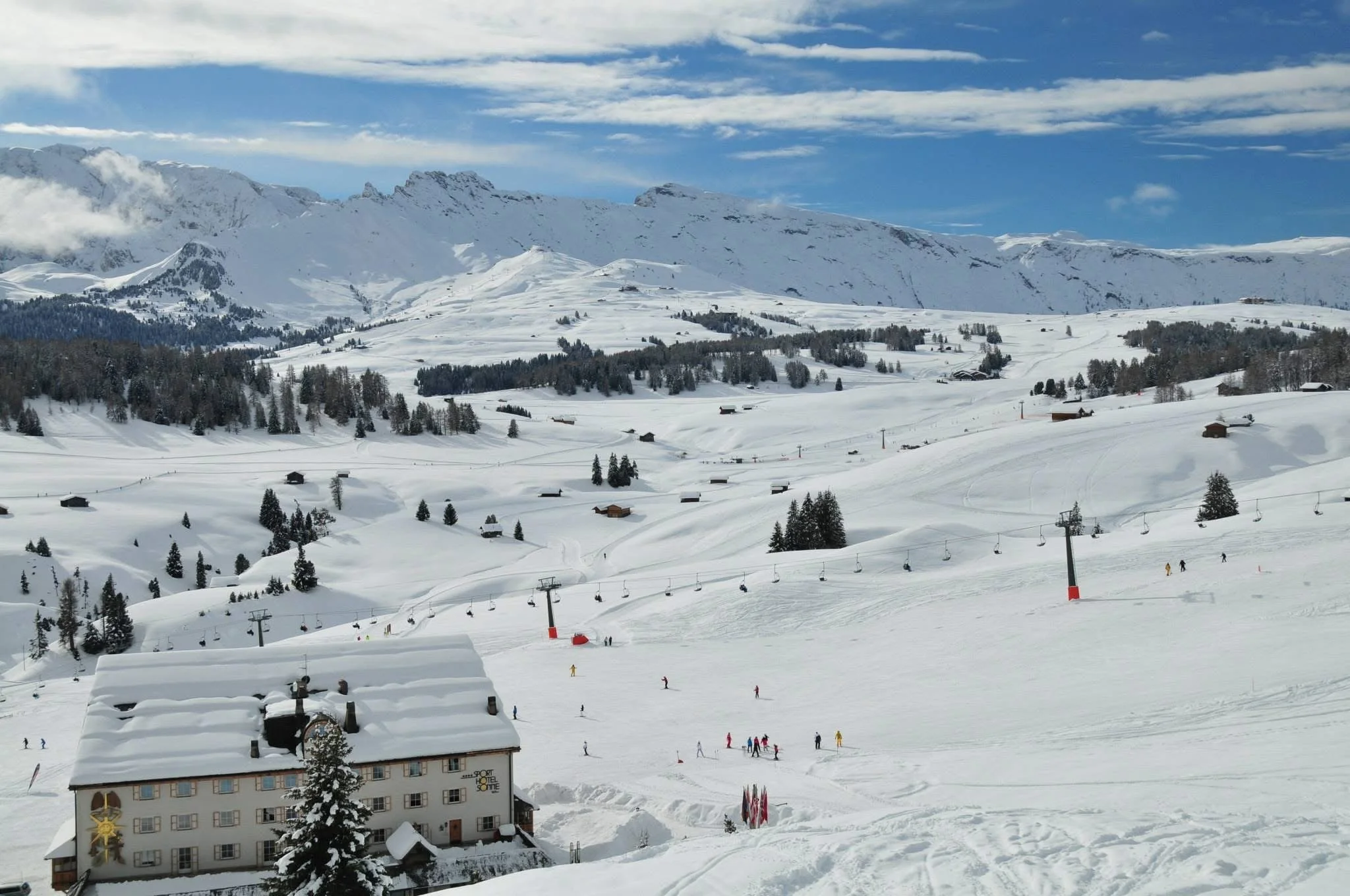
One of the most common worries people have about visiting the Dolomites in winter is whether things will actually be open. The short answer is that winter is a core season here, not an off-season. But it works differently from summer, and knowing what to expect in advance saves a lot of frustration.
Here is a realistic picture of what you can count on, particularly in February.
What is open and running
Most hotels are fully open in winter, particularly spa hotels and anything catering to the ski market. Restaurants, cafés, bakeries, and village shops are open and active. In established towns like Ortisei, Corvara, and Cortina, the villages feel lively and well-functioning throughout the winter months. Roads are maintained and winter driving is common and manageable, though you will need winter tyres or snow chains, and you should always check conditions before driving a mountain pass on a heavy snow day.
Cable cars are one of the main draws of a winter Dolomites trip and many of them run throughout the season, but schedules vary more than in summer. Some operate daily, others close one day a week, and certain lifts are winter-only while others are summer-only. Always check the official lift website before building a day around a specific cable car. This is the one thing that catches people out most often.
Winter walking paths in the valleys are maintained and designed for regular boots. They are not hiking trails with elevation gain, they are flat or gently rolling routes through beautiful winter scenery that work well for a relaxed morning or afternoon out. Most well-known bases have a network of these close to the town centre.
What is limited or not available
High-alpine hiking trails are not accessible in winter without specialist equipment. Remote mountain rifugi that are only reachable on foot in summer are closed. Certain scenic routes designed for summer walking are not practical in winter conditions. This does not make the trip limited, it simply shifts the focus from hiking and high-altitude exploration to cable cars, winter walks, scenic drives, food, and spa time. For many people that is exactly the right kind of trip.
Some summer-only cable cars are closed in winter, so it is worth checking in advance if there is a specific lift you have in mind. The Seceda cable car from Ortisei, for example, does operate in winter but on a different schedule than summer.
Driving in winter
The main valley roads are well maintained and clear throughout winter. Mountain passes are a different matter. Some are closed seasonally, others are open but need care on snowy days. If a pass is on your plan, check current conditions before setting out. Winter driving in the Dolomites is common and well managed, but slower than summer. Build extra time into any day that involves a longer drive.
The practical summary
Plan around one main activity per day, check lift schedules before you commit to them, choose a walkable base with good restaurants and spa access, and leave flexibility in your schedule for weather. Winter in the Dolomites is not about doing everything. It is about doing fewer things well, in a beautiful setting, without the summer crowds.
For help with what to wear and what to bring: What to Pack for the Dolomites in February
For a full overview of how to structure your days: How to Plan a 3 to 5 Day Winter Trip to the Dolomites
For the best bases that work well in winter without skiing: Best Bases for a Winter Dolomites Trip
Want help planning your winter trip?
If you want someone to look at your dates, your base options, and what you actually want from the trip and put together a clear plan around it, that is exactly what the planning service is for.
