September vs August in the Dolomites: which month is better?
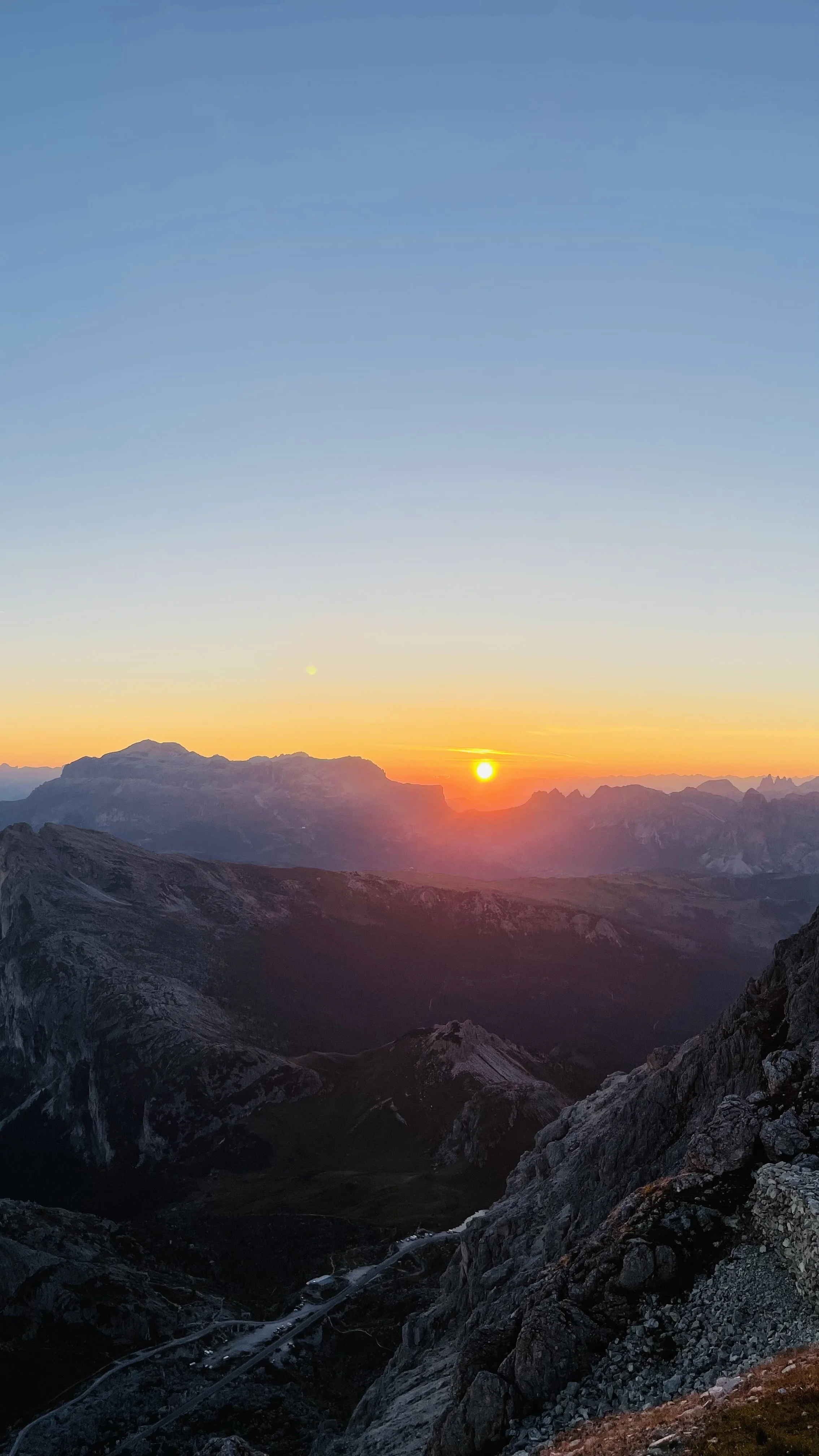
This is one of the questions I get asked most often, and it is a genuinely good one. Both months offer outstanding conditions for a Dolomites trip. But they are different experiences, and depending on what you are looking for, one will suit you considerably better than the other.
Here is an honest comparison.
The crowds
August is the busiest month of the year in the Dolomites. The trails are full, the car parks overflow by mid-morning, and the most popular spots - Tre Cime, Lago di Braies, Seceda - are genuinely packed from late morning onwards.
September is quieter. Not empty - the Dolomites are never empty in peak season - but noticeably calmer. The Italian and German summer holidays are over by early September, which removes a significant chunk of the day-trip traffic. Midweek in September you can have trails largely to yourself that would have been crowded three weeks earlier.
If avoiding crowds is important to you, September wins easily.
If August is the month that works for you, How to Avoid the Crowds in the Dolomites in August explains how to manage the busiest places.
The weather
August weather in the Dolomites follows a reliable pattern - warm sunny mornings, afternoon thunderstorms building from early afternoon, clear evenings. The storms are predictable enough that experienced hikers plan around them without difficulty.
September weather is generally more stable. The afternoon storm pattern settles down, the mornings are crisp and clear, and the light takes on a quality that photographers travel specifically to capture. The trade-off is that temperatures drop, particularly at altitude and after dark. Early September still feels like summer. By late September it genuinely feels like autumn.
If you choose August, read What to Wear Hiking in the Dolomites in August before packing.
The hiking
Every trail that is open in August is open in early September. The rifugios are still running. The cable cars are still operating. All of the high routes are accessible.
By late September the picture changes. Most rifugios close around September 20 to 25. Some high-altitude trails can see early snow. A few cable cars begin their end-of-season maintenance. If you are planning a late September trip, check opening dates carefully before you go.
For a full picture of trail and lift conditions by month, read Best Time to Visit the Dolomites.
The colors
This is where September pulls ahead for many visitors. The larches - the tall golden trees that cover the lower slopes of the Dolomites -begin to turn in late September, and the contrast between the golden trees, the pale limestone peaks, and the deep blue autumn sky is genuinely extraordinary. It is one of the most beautiful things the Dolomites offer and it only happens for a few weeks each year.
If you have any flexibility and autumn colour is appealing, late September is worth planning around specifically.
The cost
August is peak pricing across the board - hotels, rental cars, and flights all reflect the demand. September rates drop noticeably, sometimes significantly, particularly after the first week. A September trip to the same hotel in the same valley can cost meaningfully less than the same trip in August.
Who each month suits
August suits you if your travel dates are fixed around school holidays, if you want the full summer energy of the Dolomites at their busiest and most alive, or if the cable cars and rifugios being at full operation is important to your plans.
September suits you if you have flexibility, if quieter trails matter to you, if you are interested in photography or the autumn colours, or if you want the same mountains for a lower price and a calmer experience.
The honest answer is that September is the better month for most visitors but August is far from a bad time to go. Plan well, start early, and the Dolomites in August will exceed your expectations.
If August is your choice, read What August in the Dolomites Is Really Like and download my free August Dolomites Planning Guide. For personalised help, explore my trip planning services.
