What to wear hiking in the Dolomites in August
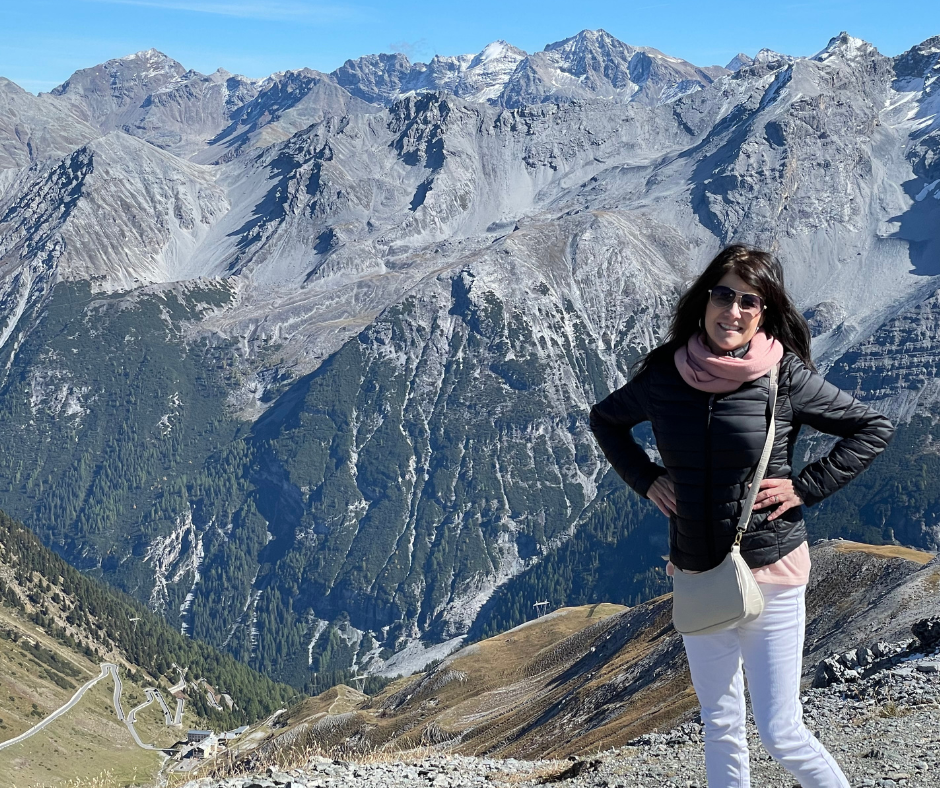
August in the Dolomites feels like summer and it is, until it suddenly is not. The valley temperatures, the afternoon thunderstorms, and the rapid drop in temperature at altitude catch a lot of first-time visitors off guard. Getting your clothing right is not about being overprepared. It is about not having your day cut short by something entirely avoidable.
Here is what to bring and why.
The basic challenge
When you leave your hotel in Ortisei or Cortina at 8am it might be 18 degrees and sunny. By the time you are at 2200 metres on an exposed ridge two hours later it could be 10 degrees with a wind. By early afternoon there may be a thunderstorm rolling in from the west. By the time you are back in the valley for aperitivo it is warm again.
Dressing for the Dolomites in August means dressing for four different conditions in a single day.
For a broader picture of the weather, crowds and daily rhythm of the month, read What August in the Dolomites Is Really Like.
Layers are everything
The system that works is simple. A lightweight moisture-wicking base layer next to your skin. A mid layer, a fleece or light down jacket, that you can add when you gain altitude or stop moving. A waterproof and windproof outer shell that packs small enough to fit in your daypack without taking up half of it.
You will take layers off and put them back on several times in a day. That is normal. The mistake is leaving the mid layer or the shell at the hotel because it looked sunny at breakfast.
Rain gear is not optional
August afternoon thunderstorms in the Alps are predictable, fast-moving, and often dramatic. They typically build from early afternoon onwards. Being caught on an exposed ridge in a Dolomites thunderstorm is not pleasant and can be genuinely dangerous. A packable waterproof jacket weighs almost nothing and takes up almost no space. Bring one and keep it in your pack every day regardless of the morning forecast.
Footwear
For most of the walking most visitors do in the Dolomites, well-maintained paths, rifugio trails, plateau walks, a sturdy pair of trail runners or light hiking shoes is perfectly adequate. Full leather hiking boots are not necessary unless you are doing via ferratas or multi-day routes on rough terrain.
What matters more than boot height is sole grip. The Dolomite rock is pale limestone and can be slippery when wet. A shoe with a proper grippy sole, Vibram or similar, makes a real difference on the descents.
Whatever you choose, make sure it is broken in before you travel. New shoes on day one of a Dolomites trip is one of the most common and most avoidable mistakes.
What to carry in your daypack
Beyond your layers and rain jacket, the basics for an August day hike are water, at least 1.5 litres, more if it is hot, sunscreen, sunglasses, a hat for sun protection, and a small snack for between rifugio stops. A light pair of hiking poles is worth considering if you have any knee issues, particularly on the descents.
What not to bring
Cotton. Cotton absorbs moisture and takes a long time to dry, which means a sweaty morning climb leaves you cold and damp at altitude. Stick to synthetic or merino wool base layers.
Jeans. They are heavy, restrict movement, and take forever to dry if they get wet. Any lightweight hiking trouser or even comfortable shorts with a warmer layer in your pack is a better choice.
For a complete August packing list and practical advice on weather, crowds and booking, download my free August Dolomites Planning Guide.
Still in the planning stages? Download the free Dolomites region guide for an overview of the best bases and what to expect in each area, or explore my trip planning services for personalised help building your itinerary.
