How to avoid crowds in the Dolomites in July
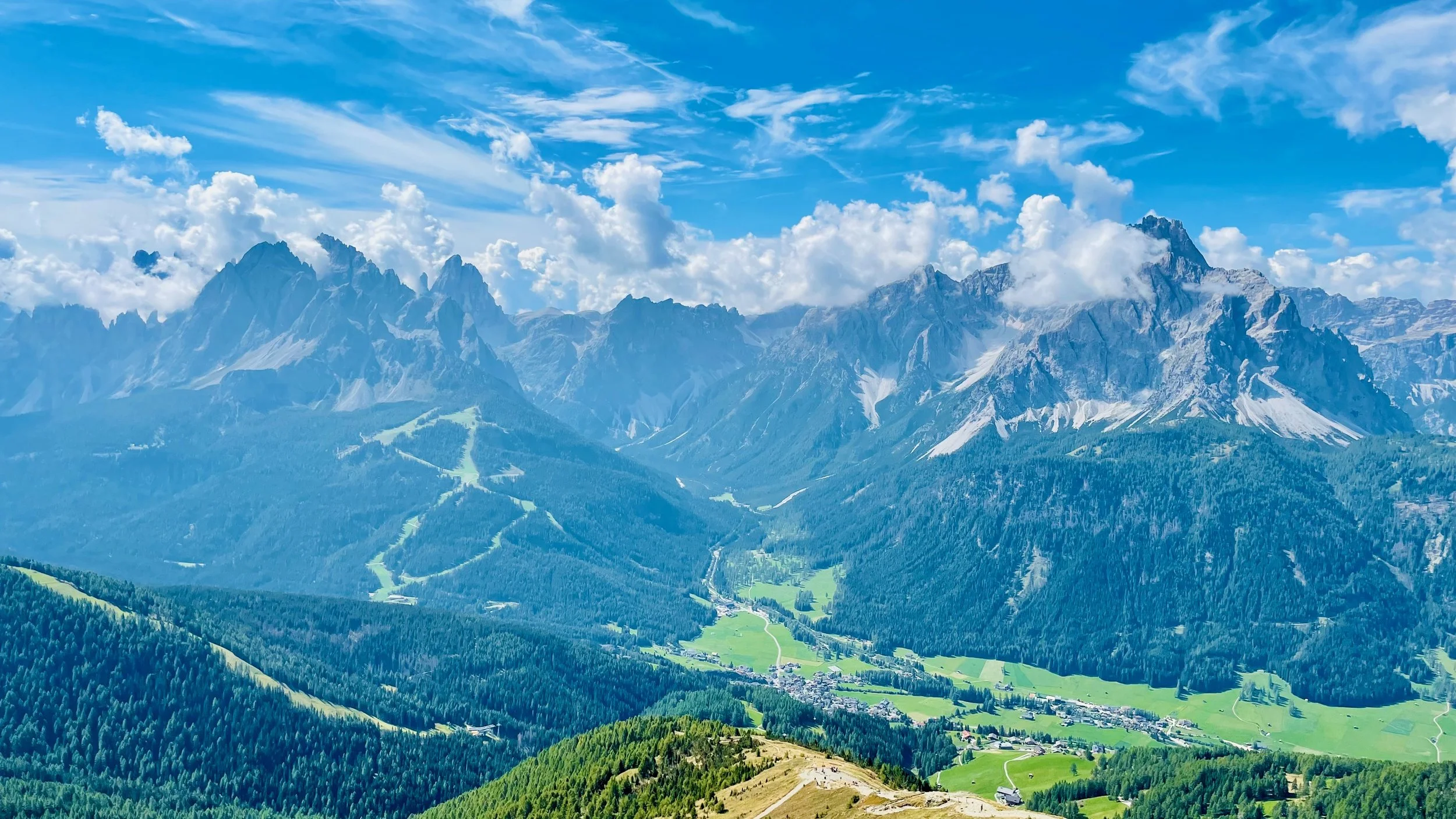
July is one of the busiest months in the Dolomites. The car parks fill early, the most famous viewpoints get busy by mid-morning, and the atmosphere at popular spots can feel a long way from the peaceful mountain experience most visitors are looking for.
The good news is that the crowds are concentrated. Most visitors follow the same circuit of well-known locations, which means a few simple adjustments can make your trip feel completely different.
Where the crowds actually are
The spots that get genuinely busy in July are well known: Lago di Braies, the Tre Cime loop, Seceda, and Alpe di Siusi during peak hours. These are all worth visiting and none of them should be avoided. But they need to be timed well, and that timing matters more than most people realise.
The single biggest lesson: arrive earlier than you think
For the places where timing really matters, early makes a huge difference. Lago di Braies, Tre Cime and the first lifts at Seceda are obvious examples.
At Lago di Braies, I would aim to arrive before the regulated daytime access period begins if you want a quieter visit. During the 2026 summer season, access to the Braies Valley was regulated from 9:00 AM to 4:00 PM, with parking reservations or public transport required during those hours.
You do not need to start every Dolomites day at dawn. Save the very early starts for the places where they actually improve the experience.
At Lago di Braies, the ideal arrival time is between 7:00 and 7:30 in the morning. By 9:00am visitor numbers have increased noticeably. By 10:00 or 11:00 the atmosphere is completely different. The lake is still beautiful, but the serenity that makes it special is largely gone.
Building an early start into each mountain day is not about rushing. It is about arriving when the light is better, the air is cooler, and the car park still has space.
Midweek vs weekend
If your trip spans both weekdays and a weekend, front-load your popular spots on weekdays. Weekends bring significantly more visitors, particularly to car-accessible locations. Saving a quieter valley walk or a spa morning for a Saturday or Sunday and heading to the iconic viewpoints earlier in the week makes a noticeable difference.
If your travel dates are still flexible, my Best Time to Visit the Dolomites guide explains how July compares with late June, August and September for crowds, weather and lift access.
Quieter alternatives that are just as good
For every crowded hotspot in the Dolomites there is a quieter alternative that delivers the same quality of scenery with a fraction of the visitors.
Instead of Lago di Braies, consider Lago di Dobbiaco. It is a beautiful lake with excellent mountain reflections, an easy walking path around the shore, and usually a much less pressured atmosphere than Lago di Braies. It does not have the same fame as Braies, which is precisely the point.
Instead of the Tre Cime loop at peak hours, Val Fiscalina is one of the most beautiful valleys in the Dolomites. The mountain scenery is dramatic, the walking is accessible, the rifugi are excellent, and it generally feels less pressured than the Tre Cime circuit. It feels like a place people actually go to rather than a place people go to photograph.
Instead of Seceda, Vallunga near Selva is a wide alpine valley with spectacular scenery, gentle walking, and a peaceful atmosphere that feels a world away from the cable car queues a few kilometres down the road.
Look beyond Tre Cime in the eastern Dolomites
Many visitors come to the eastern Dolomites for Tre Cime and Lago di Braies, then leave without spending much time in the valleys around Sesto and San Candido
The valleys around Sesto contain some of the most beautiful walking in the entire region. Val Fiscalina, Val Campo di Dentro, Prati di Croda Rossa, and the approach to Monte Elmo all offer dramatic mountain scenery including the striking Sexten Sundial peaks, with far fewer visitors than the areas further west. The whole area feels less commercial and more connected to the mountains. It rewards spending real time there rather than treating it as a stopping point on the way to somewhere else.
For more on what to do and where to base yourself in this part of the Dolomites, the San Candido, Sesto & Dobbiaco Guide | Best Base in the Dolomites covers it in detail.
The Fanes plateau: one of the great hidden landscapes
The Fanes plateau is a good choice if you want a longer mountain day away from the headline viewpoints.s. Where most of the region is defined by sharp peaks and cable car access, Fanes offers something different: high alpine meadows, rivers and waterfalls, remote rifugi, and a sense of being genuinely deep in the mountains.
The easiest access for most visitors is from Capanna Alpina near San Cassiano, where several well-marked walks lead into the plateau. It is an area that suits a slower pace and rewards visitors who are happy to spend a full day away from the main tourist circuit. This is not an easy substitute for Lago di Braies or Seceda. Reaching the higher plateau involves a proper uphill hike, so I would recommend it to stronger walkers who want a full day out. For more on the Alta Badia area and what to do from a San Cassiano base, the Alta Badia Highlights guide is a useful starting point.
Putting it together
Avoiding the worst of the July crowds is less about finding secret locations and more about timing, structure, and making deliberate choices about where to go and when. Use early starts where they matter, especially at the headline sights. Keep the rest of the trip flexible, and mix famous places with days closer to your base that do not depend on beating everyone else to a car park.
The Dolomites are large enough that two groups of visitors in the same week can have completely different experiences depending on how their days are structured. For more on how to build a trip that flows well, First Trip to the Dolomites: What to Know Before You Go is worth reading before you finalize your plans.
If you want help building a Dolomites itinerary that balances the famous places with quieter days and realistic timing, you can see my Dolomites trip-planning options here.
