Do You Need Restaurant Reservations in the Dolomites?
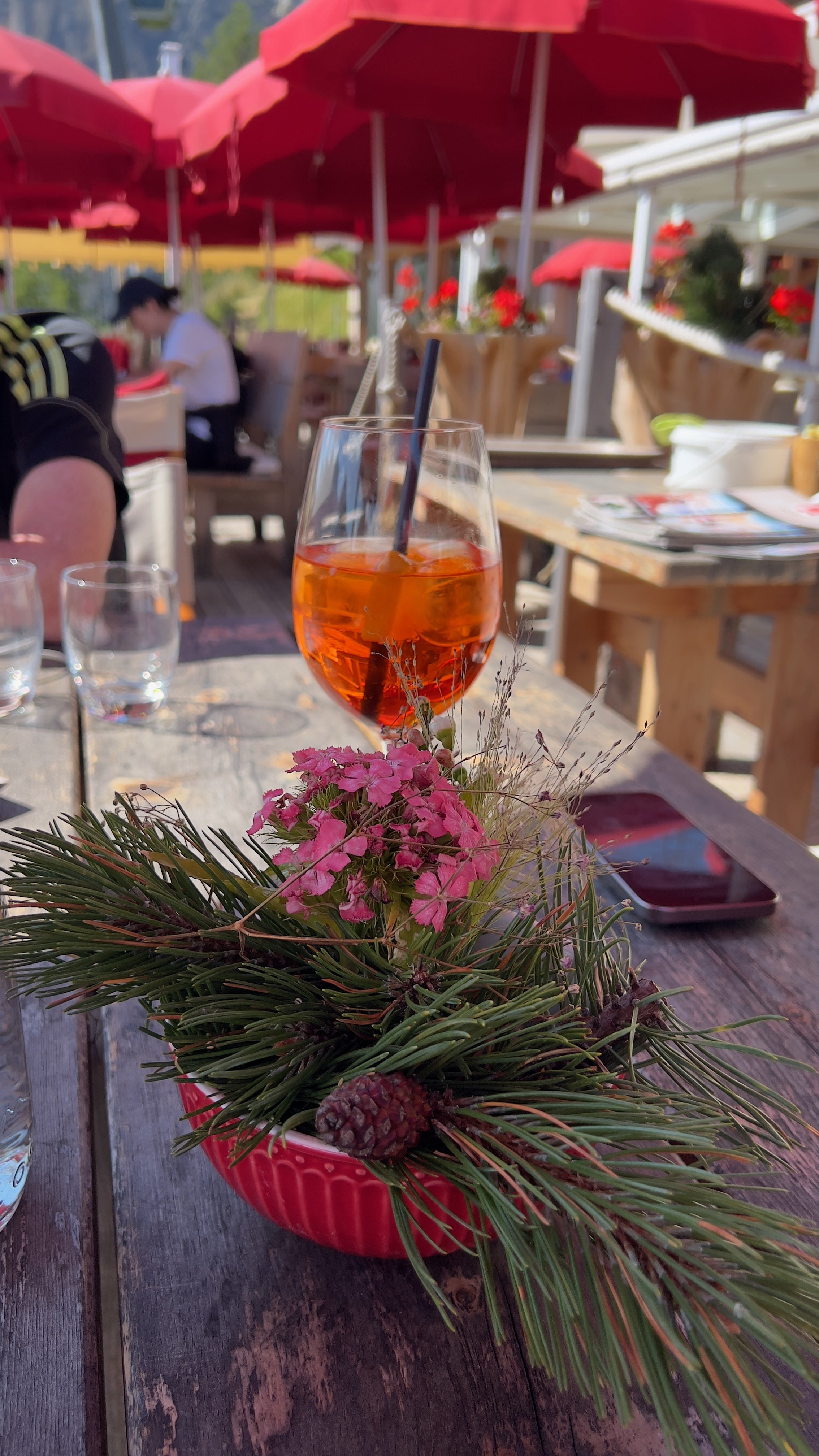
One of the questions I get asked most often is whether restaurant reservations are necessary in the Dolomites.
The answer is: sometimes.
July and August are busy months and some of the most popular restaurants do fill up, particularly in the evenings. But not every meal needs to be planned weeks in advance. Here is what I recommend.
What Is Worth Booking
If you are staying in popular destinations such as Ortisei, Corvara, San Cassiano, Cortina d'Ampezzo, or Bolzano during peak season, it makes sense to reserve ahead for restaurants that matter to you. This is particularly true if you have a specific place in mind, are travelling as a larger group, want a table at a popular time, or are celebrating a special occasion.
Many visitors spend a lot of time researching hikes and hotels but leave dinner entirely to chance. A small amount of planning makes a real difference in peak season.
What You Can Leave Flexible
Not every meal requires a reservation. Pizzerias, casual cafés, lunch spots in quieter villages, and restaurants outside the main tourist centres are generally fine to walk into. If you are happy to eat slightly earlier or later than peak dining times, you will usually find plenty of options without any advance planning.
How to Book
Many restaurants in the Dolomites still prefer direct communication over online booking systems. Email, phone, and WhatsApp all work well. A short and polite message in English is usually all that is needed as most restaurants in tourist areas are well used to international visitors. WhatsApp in particular tends to get a faster response than email.
What to Eat
One of the best parts of visiting the Dolomites is discovering South Tyrolean food. The local cuisine has strong Austrian and Alpine influences that set it apart from standard Italian cooking elsewhere in the country.
Canederli, the local bread dumplings, are a staple and worth trying at least once. Schlutzkrapfen are a type of filled pasta with a distinctly South Tyrolean character. Speck, the local cured meat, appears on almost every menu and is worth sampling properly rather than treating as a side note. Barley soup is a reliable and satisfying choice at mountain huts and valley restaurants alike. For dessert, Kaiserschmarrn and apple strudel are both worth ordering.
On the wine side, South Tyrol produces some excellent reds and whites that do not travel much beyond the region. Lagrein is the local red worth knowing about, and Gewürztraminer is the aromatic white the area is particularly well regarded for. For more on the food and wine culture of the area, the Alta Badia Highlights guide covers the valley that arguably takes its food most seriously.
What About Rifugi?
For lunch at mountain huts, advance reservations are rarely necessary. In most cases you can arrive, find a table, and order without any planning. If there is a specific well-known rifugio you have been looking forward to visiting during a busy period, it is worth a quick check, but for the vast majority of huts on most days this is not something to worry about. For more on what to expect at a rifugio, A First-Timer's Guide to Dolomites Mountain Huts covers everything you need to know before you go. [Link to rifugio blog once published]
Final Thoughts
The Dolomites are not a destination where every meal needs to be booked months in advance. For most travellers, reserving a couple of special dinners and staying flexible the rest of the time works perfectly well. Good food is one of the genuine highlights of any Dolomites trip and a small amount of preparation helps make sure you get the best of it.
Evenings sorted. If your days are still the missing piece, that is where I can help. I build custom day-by-day Dolomites plans around your hotels, your pace, and what you actually want to do.
