Why Now Is the Perfect Time to Visit the Dolomites (and What Most People Miss)
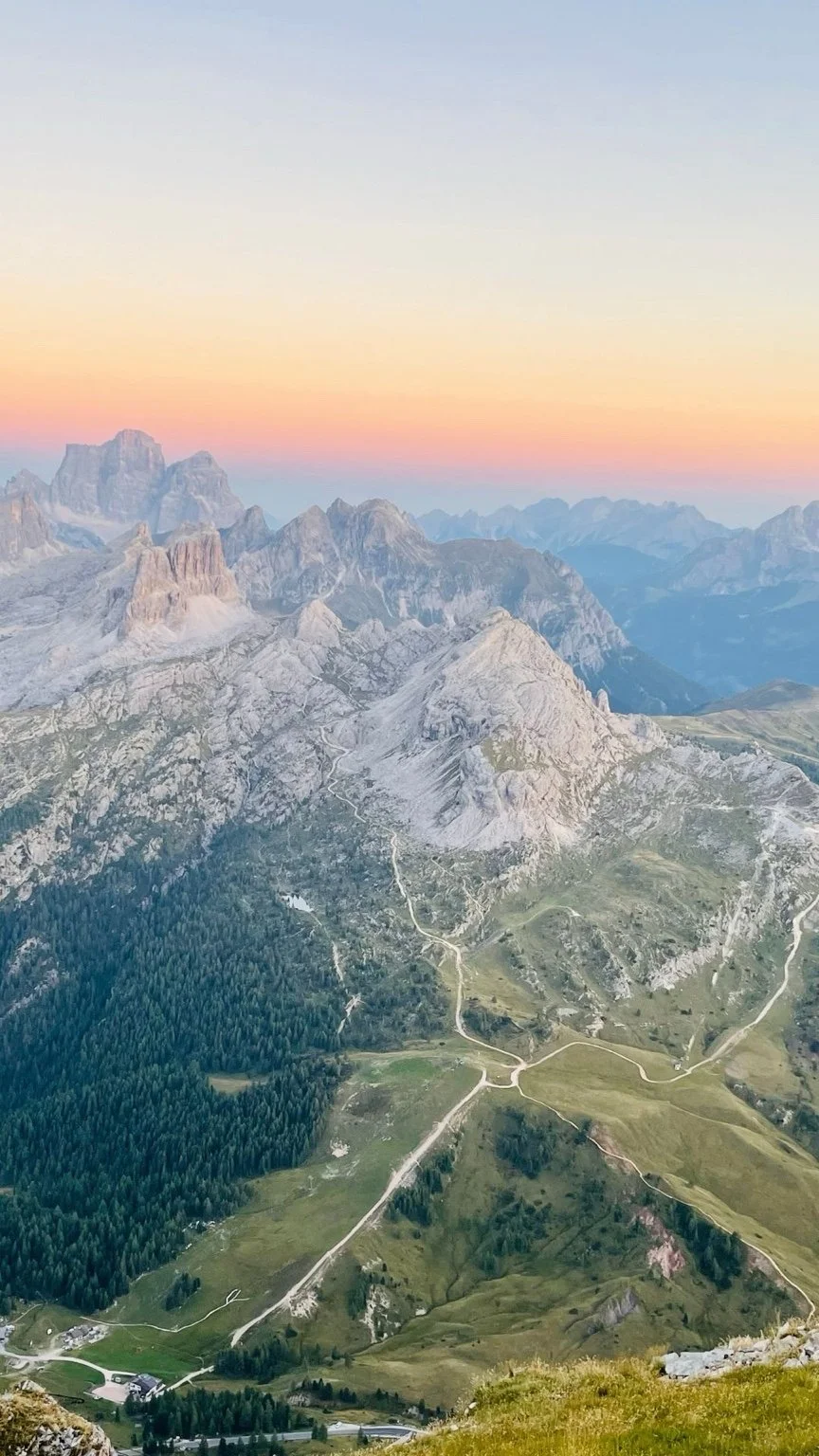
Most people plan a Dolomites trip around the same peak summer weeks and the same famous hotspots. And then they arrive at Lago di Braies at 11am in August and wonder why it doesn't look like the photographs.
The best experiences I have had in these mountains - the quietest trails, the most memorable light, the most effortless days - have almost all happened just outside that peak window. This guide covers when to go, what you gain from timing it right, and what the less obvious places are that reward the visitors who look a little further.
Why Shoulder Season Is Underrated
Late June and September are the months I recommend most consistently and the ones that most first-time visitors overlook.
In late June the wildflowers are extraordinary - the alpine meadows of Alpe di Siusi and the Pralongià plateau are at their most vivid, a carpet of colour that is largely gone by August. The passes have recently reopened. Most lifts are running. The crowds are a fraction of peak season and hotel prices reflect that.
September is my personal favourite month in the Dolomites. The school holidays are over, the crowds thin dramatically, and the weather is often more stable than July and August which can bring afternoon thunderstorms. The light in September is extraordinary - softer and warmer, particularly in the early morning and late afternoon. Most lifts and rifugi remain open and the whole region feels more like itself.
Early October brings the larch colour - the forests around the valleys turn gold and the Dolomites look completely different from any other time of year. It is magical when it works and worth considering for anyone who has flexibility.
The trade-off in shoulder season is that some lifts start closing from mid-October and a few facilities close earlier. Check opening dates before planning around specific lifts or rifugi outside peak season.
For a full month-by-month breakdown of what each time of year offers, read my Best Time to Visit the Dolomites guide.
Places Most Visitors Skip
The main hotspots - Tre Cime, Seceda, Lago di Braies - pull the majority of visitors and the crowds at these places in peak season are significant. But go slightly off the main track and the experience changes completely.
Val di Funes is one of the most photogenic valleys in the Dolomites - the Santa Maddalena church against the Odle peaks is one of the great classic views of the region - and it is consistently quieter than the headline spots.
Val Fiscalina in the Sexten Dolomites is a beautiful, calm alternative approach to the 3 Peaks area. A wide valley with meadow walks, dramatic peaks above, and almost none of the crowds that the Tre Cime road brings.
The Alta Badia plateau walks - particularly the Pralongià area above Corvara - offer some of the best scenery in the central Dolomites with a fraction of the visitors that Seceda and Alpe di Siusi attract. The rifugi up here are quieter, the paths less crowded, and the views genuinely comparable.
Passo Gardena and the smaller rifugi along the main passes are often overlooked entirely by visitors focused on the famous viewpoints. A coffee on the terrace at the Gardena Pass rifugio with the Sella Group above you is one of those unplanned moments that stay with you.
The Mistakes That Undermine Good Timing
Getting the timing right is only half the equation. The other half is structure - and this is where most trips go wrong regardless of when they happen.
Choosing the wrong base multiplies driving time and reduces the value of every day. A well-positioned base puts you close to most of what you want to see. A poorly chosen one means spending significant portions of your holiday in the car.
Trying to cover too much in the time available turns the trip into a checklist rather than an experience. The Dolomites reward people who go deep into one area rather than wide across several.
Underestimating driving times creates constant pressure. Mountain roads are slow. Everything takes longer than it looks on a map. Build realistic times into every day rather than optimistic ones.
For more on avoiding these mistakes, read my Why Your Dolomites Trip Feels Rushed post.
Where to Base Yourself for a Less Crowded Trip
Corvara in Alta Badia is consistently one of the best choices for a calmer, more refined trip. Central, beautiful, exceptional food, and with the kind of quiet elegance that peak season can erode in busier areas.
Ortisei in Val Gardena is the strongest all-round choice for first-time visitors - easy lift access, a proper town, and good flexibility for day trips in multiple directions.
San Candido and Dobbiaco in the eastern Dolomites are the quietest bases in the region and the best positioned for the Tre Cime area and the beautiful lakes without the worst of the crowds.
For a full comparison of the main bases, download my free base guide.
Download the free Choose Your Base guide
What to Book in Advance and What to Leave Flexible
Book ahead: accommodation, particularly at good spa hotels which fill fast even in shoulder season. Key lifts in peak windows - Seceda now has a timed entry system in 2026. Popular rifugi for lunch in July and August.
Leave flexible: hiking routes - adjust for weather and conditions on the day. Lunch at smaller mountain huts - some of the best meals happen unplanned at quieter rifugi you stumble across. Spa time at your hotel - usually easier to arrange once you arrive.
Flexibility is what makes a Dolomites trip feel genuinely restorative rather than like another thing to manage.
Free Guide: Dolomites Without the Rush
For a clear guide to structuring your trip so the timing and pacing work together - whether you are visiting in peak season or shoulder season - download my free guide.
Download the free Dolomites Without the Rush guide
Want Someone to Plan the Full Trip?
If you want a trip timed properly, structured around the right base, and paced so every day feels worthwhile - that is exactly what my trip planning service is for.
Or start with the free base guide if you are still deciding where to stay.
