Dolomites for non-hikers: easy days, adventures & scenic drives
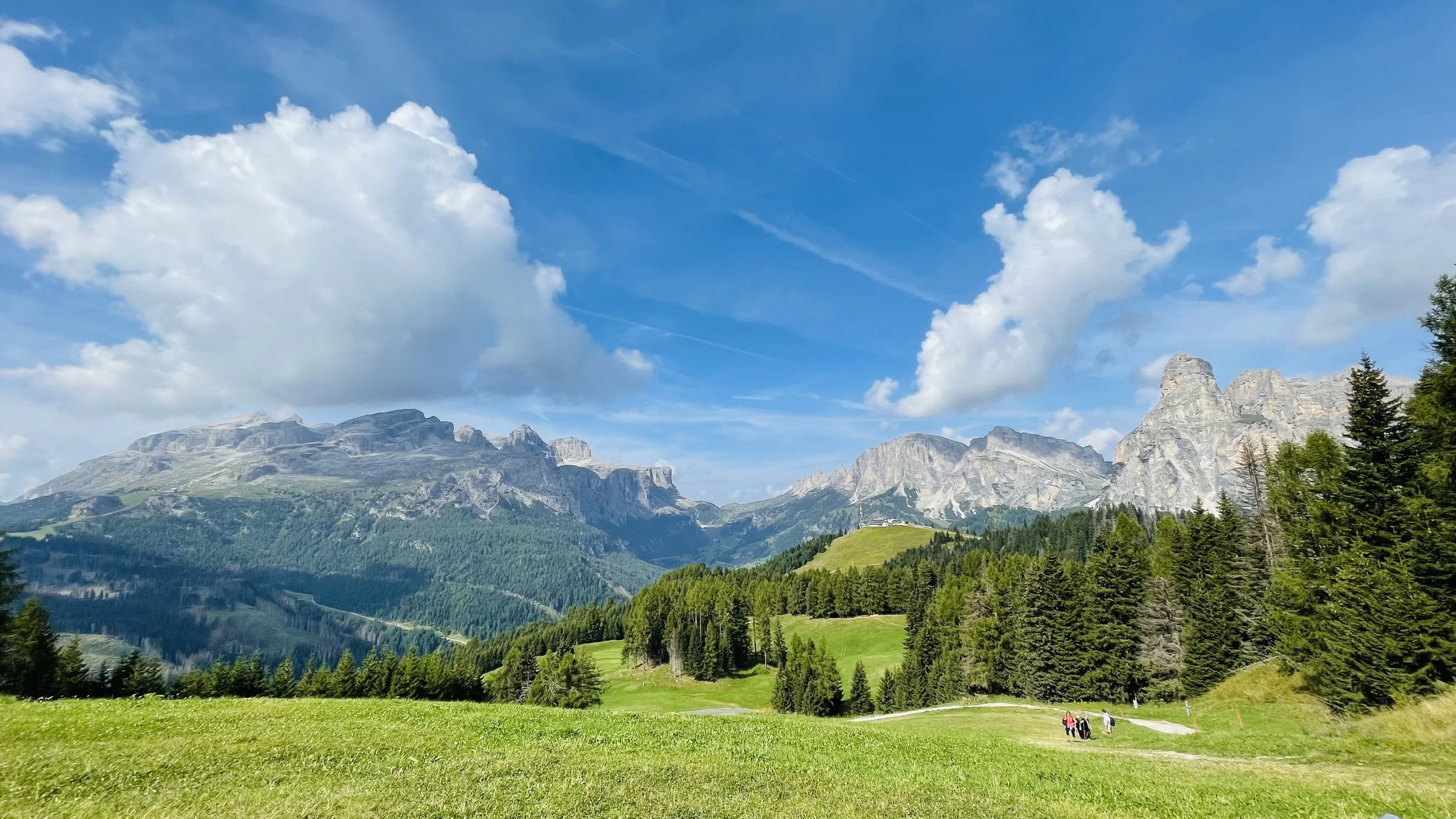
The Dolomites have a reputation as a hiker's destination. But after 16 years of returning here and planning trips for people with very different fitness levels, I can tell you that you absolutely do not need to be a serious hiker to have an incredible trip.
Some of the best mountain views are reached by lift, scenic drive or a short walk. The trick is knowing which places genuinely work with limited walking and which ones sound easier on paper than they actually are.
I've been bringing non-hikers to the Dolomites for years - couples in their 60s and 70s doing a once-in-a-lifetime trip, families with young children, people who simply prefer a scenic drive and a long lunch over a sweaty climb. Every single one of them has left wondering why they waited so long to come.
This guide covers everything you need to know to plan a genuinely spectacular Dolomites trip without a single long hike.
Cable cars are one of the easiest ways to experience the Dolomites without a long hike. My dedicated page to Dolomites cable cars, compares the major summer lifts, what you can do at the top, how much walking to expect, and which ones work best for non-hikers.
You don't need to hike to see the best of the Dolomites
This is the most important thing to understand before you start planning.
The Dolomites are not like other mountain regions where the good stuff is locked behind long trails. The lift infrastructure here is exceptional. Seceda in Val Gardena - one of the most photographed ridges in the Alps - is a gondola and cable car ride from Ortisei. Lagazuoi above Cortina puts you at 2752 meters with a panorama that stretches across multiple mountain groups. Sass Pordoi lifts you to a lunar plateau above the Sella Group with almost no walking required.
These are not consolation prizes for people who can't hike. These are the highlights.
The best viewpoints for non-hikers
Seceda, Val Gardena The iconic ridge above Ortisei. Take the gondola from the town centre, then a second lift to the top. From the top station, there is a short uphill walk to the main ridgeline viewpoint. The views along the jagged Odle peaks are extraordinary. One of the unmissable experiences in the Dolomites for any visitor, hiker or not.
Lagazuoi, Cortina Reached by cable car from Passo Falzarego, this is one of the highest and most dramatic viewpoints in the region. The terrace at the top looks out over the Ampezzo Dolomites in every direction. There is a rifugio at the summit for lunch or coffee.
Sass Pordoi A short cable car ride from Passo Pordoi puts you at over 2900 metres on a wide, flat plateau. The walking here is gentle and the scale of the mountains around you is hard to describe until you're standing in it. Stay close to the top station and terrace if you are not a hiker. The terrain becomes rough and rocky very quickly once you move farther onto the plateau.
Alpe di Siusi Europe's largest high-altitude alpine meadow, reached by cable car from Ortisei or Siusi. In summer it is a vast, flower-covered plateau with the Sassolungo group rising dramatically at one end. There are plenty of gentle walking options, and you can have a very easy day here if you choose your route carefully. You do not need to cross the plateau to enjoy it. The road onto Alpe di Siusi is restricted to most private cars during the day in summer, so for this kind of trip I would take the gondola instead.
Cinque Torri, near Cortina Take the open chairlift from Bai de Dones, on the road between Cortina and Passo Falzarego. At the top, there are short paths around the towers, but they are uneven in places.
Scenic drives: the other way to see everything
If cable cars give you height, scenic drives give you breadth.
The great mountain passes of the Dolomites - Gardena, Sella, Falzarego, Giau, Pordoi, Valparola - are genuinely among the most beautiful roads in Europe. Most have pull-offs, viewpoints, and rifugi built in so you can stop as often as you like. A well-planned pass drive with two or three stops can easily be the best day of your entire trip.
The Sella Ronda loop - connecting the Gardena, Campolongo, Pordoi and Sella passes in a circuit - is the classic route and works beautifully as a full day drive with stops for coffee and lunch along the way.
For a full guide to which passes to drive and how to plan your route, read my Scenic Drives in the Dolomites post.
E-biking
If you are reasonably active but do not want to hike, an e-bike can be a great way to see more without spending hours on foot. Alpe di Siusi and the Pralongià plateau in Alta Badia are two of my favorite places to do it, especially if you build the day around a rifugio lunch.
Lakes worth visiting
The Dolomites have some of the most beautiful mountain lakes in Europe, and most of them require very little effort to reach.
Lago di Braies is the most famous lake in the area and it is genuinely beautiful, but I would not build a non-hiking trip around it unless it fits naturally with where you are staying. In peak summer, road access is regulated during the day and parking may need to be booked in advance.
You also do not need to walk the full loop. The complete circuit is about 3.5 km and includes steps and a narrower section on one side, so simply walking part of the flatter shore and turning back may make more sense for a true non-hiker.
Lago di Carezza in the Latemar area is smaller but extraordinarily colourful, with reflections of the surrounding peaks. It is reached directly from a car park on the road and requires no walking at all.
Lago di Dobbiaco is quieter and less visited, with a gentle flat path around the water and beautiful reflections of the mountains above.
For more on the best lakes and how to visit them without the crowds, read Most Beautiful Dolomites Lakes You Can Reach Easily.
Mountain hut lunches
A rifugio lunch is one of the easiest ways to make a non-hiking mountain day feel like a proper day out. Choose one close to the lift, give yourself time for lunch, and do not feel you need to add another major attraction afterward.
Most of the rifugi near the cable car tops are reachable with a short, easy walk from the lift station. In peak season - July and August - book ahead. The best ones fill up fast.
A sample non-hiker itinerary
For a suggested day-by-day plan covering Seceda, Alpe di Siusi, Lago di Braies and the best scenic drives, read my dedicated Dolomites Itinerary for Non-Hikers. It covers 3 to 5 days and is designed specifically for people who want big scenery with realistic effort.
Where I would stay for a non-hiking trip
For most first-time non-hikers, I would choose Ortisei. You can reach Seceda and Alpe di Siusi without driving, you have plenty of restaurants within walking distance, and it is easy to build good days without constantly getting back in the car.
Corvara is my other strong choice if you want somewhere quieter. You still have excellent lift access, plus easy scenic drives through Alta Badia and the surrounding passes.
I would choose the 3 Peaks area when the eastern Dolomites are the priority, rather than simply because it feels quieter. Your base should make the places you actually want to see easier, not just sound appealing on its own.
Want someone to plan it for you?
Putting together a non-hiking Dolomites trip that actually flows well takes more thought than it looks. I build realistic plans around your dates, pace, priorities and the amount of walking you actually want to do
