Alta Badia for first-timers: where to stay and what to do
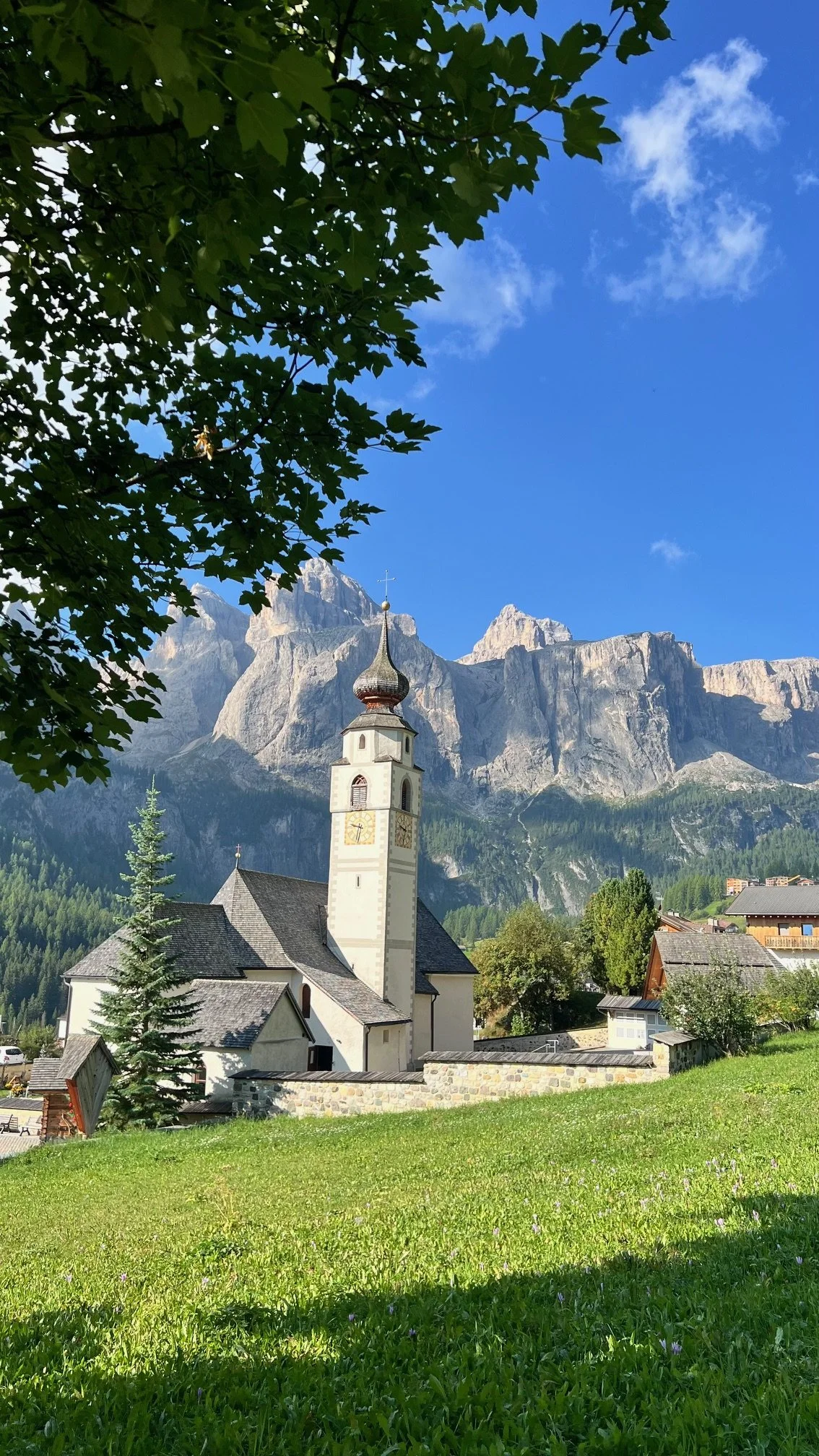
After 16 years of traveling in the Dolomites, Alta Badia is one of the areas I recommend most often when someone wants a quieter trip without giving up easy mountain access.
The villages are smaller and calmer than Ortisei, the food is excellent, and the lift network gives you access to Pralongià, the Sella Group, Santa Croce and several other mountain areas without needing a major hike.
The biggest question for a first trip is usually which village to choose. For most people, I would start with Corvara.
What Alta Badia actually is
Alta Badia is a group of villages in a high valley in the central Dolomites, sitting at around 1500 to 1600 metres. The main villages are Corvara, San Cassiano, La Villa, Badia, and Colfosco. The area is part of the Ladin-speaking heartland of South Tyrol - a distinct cultural region with its own language, food traditions, and architecture that gives Alta Badia a character quite different from the more Italian or more Austrian areas of the Dolomites.
The valley is surrounded by some of the most spectacular mountain scenery in the region. The Sella Group rises to the north, the Sassongher peaks directly above Corvara, and the great passes - Gardena, Campolongo, Valparola, Falzarego - are all within easy reach. It is one of the most centrally positioned areas in the Dolomites, which makes it an excellent base for exploring in multiple directions.
Which village should you stay in?
Corvara is the largest and most central village and the one I recommend most often for first-time visitors. Corvara is the village I recommend most often for a first Alta Badia trip. It has excellent lift access directly from the village, including the Col Alto and Boè gondolas, plenty of restaurants within walking distance, and a central position for exploring the surrounding passes. It is well-positioned for the Sella Ronda passes and an easy drive to both Val Gardena and Cortina.
For a detailed guide to Corvara including the best rifugi, scenic viewpoints, and how to structure your days, download my free Corvara guide.
Download the free Corvara guide
San Cassiano is quieter and more refined than Corvara - smaller, prettier, and known for some of the best hotels and restaurants in the region. It sits in a side valley off the main Alta Badia road and has a particularly calm, almost spa-like atmosphere. If food and hotel quality are high on your list and you are happy with a slightly less central position, San Cassiano is worth serious consideration.
La Villa sits between Corvara and San Cassiano and has its own lift system connecting to the wider Alta Badia network. It is quieter than Corvara, slightly better value in terms of hotels, and a good choice for people who want to be in the valley without the relative bustle of Corvara.
Colfosco is the smallest and most dramatically positioned of the main villages - sitting directly under the Sella Group with the mountains rising almost vertically above the village. It is very quiet, with limited restaurants, but the setting is extraordinary and it connects easily to Corvara by a short lift or drive.
What to do in Alta Badia without big hikes
Alta Badia is one of the best areas in the Dolomites for non-hikers and people who want big scenery with realistic effort.
The Pralongià plateau above Corvara is one of the great easy walking areas in the Dolomites - a wide, gently rolling plateau at around 2000 metres with rifugi dotted across it and views in every direction. Once you are up, there are several relatively gentle walking options between rifugi, although the plateau is rolling rather than completely flat.
The Boè gondola from Corvara takes you up toward the Sella Group with increasingly dramatic views as you ascend. From the upper stations there are short walks to viewpoints and easy access to several rifugi for lunch.
Santa Croce above Badia is another easy mountain day I like. Take the La Crusc lifts from Badia toward the sanctuary, which sits below the huge walls of Sas dla Crusc. You can keep the day very easy, stop for lunch and enjoy the setting without turning it into a long hike.
The scenic drives from Alta Badia are outstanding. Passo Gardena connects to Val Gardena in around 40 minutes and is one of the most dramatic mountain roads in the Dolomites. Passo Valparola leads toward Cortina through historic World War I territory. Passo Campolongo opens out toward Val di Fassa. You can string two or three passes together in a single day and barely cover the same ground twice.
For more ideas on easy high-impact days, read my Dolomites for Non-Hikers guide.
Food and drink
Alta Badia has a reputation for exceptional food and it is entirely deserved.
Alta Badia is one of the best places to try Ladin food, including dishes such as cajincí, tutres and panicia, alongside the dumplings, polenta, local cheeses and Alpine desserts you will see throughout South Tyrol. The rifugio lunches here are among the best in the Dolomites: proper food, proper portions, and views that make the whole experience feel like an occasion rather than just a fuel stop.
Alta Badia also has a disproportionate number of serious restaurants for such a small area, including multiple Michelin-starred kitchens. If a special dinner is part of your trip, this is one of the best areas in the Alps for it.
For the best mountain huts and what to eat in the Dolomites generally, read my Dolomites Mountain Huts Food Guide.
Getting around
You can do much more in Alta Badia without a car than people sometimes assume. Corvara, Colfosco, La Villa, San Cassiano and Badia all have summer lift access, and local buses connect the villages and several hiking areas. If your accommodation participates in the South Tyrol Guest Pass, regional buses and trains are included.
I still like having a car in Alta Badia if you want scenic driving days, Passo Gardena, Passo Valparola, Cortina or other areas outside the valley. But if you base yourself in Corvara and mainly want lift-accessed mountain days, you do not need to drive every day.
When to visit
Late June is one of the best times - the meadows are green and flowering, the passes have recently reopened, and the valley is noticeably quieter than high summer.
Early September is my favorite time to be in Alta Badia. Temperatures are usually cooler than midsummer and the valley becomes noticeably quieter once the main holiday period ends. You do need to pay closer attention to individual lift closing dates later in the month.
July and August are perfectly possible but busier and more expensive than the shoulder months.
Is Alta Badia right for you?
Alta Badia suits you if you want quieter villages, excellent food, strong lift access, easy mountain days and some of the best scenic driving in the Dolomites.
It suits you less well if you want a larger town with lots of evening activity, shopping and nightlife.
If you are comparing Alta Badia against Val Gardena or other areas, my free base guide does a side by side comparison to help you decide.
Download the free Choose Your Base guide
Want someone to plan the full trip?
Putting together an Alta Badia trip that flows well - the right village, the right combination of lift days and drive days, the right rifugi for lunch - takes more thought than it looks. That is what my trip planning service is for.
