Dolomites cable car passes explained: which ticket should you buy?
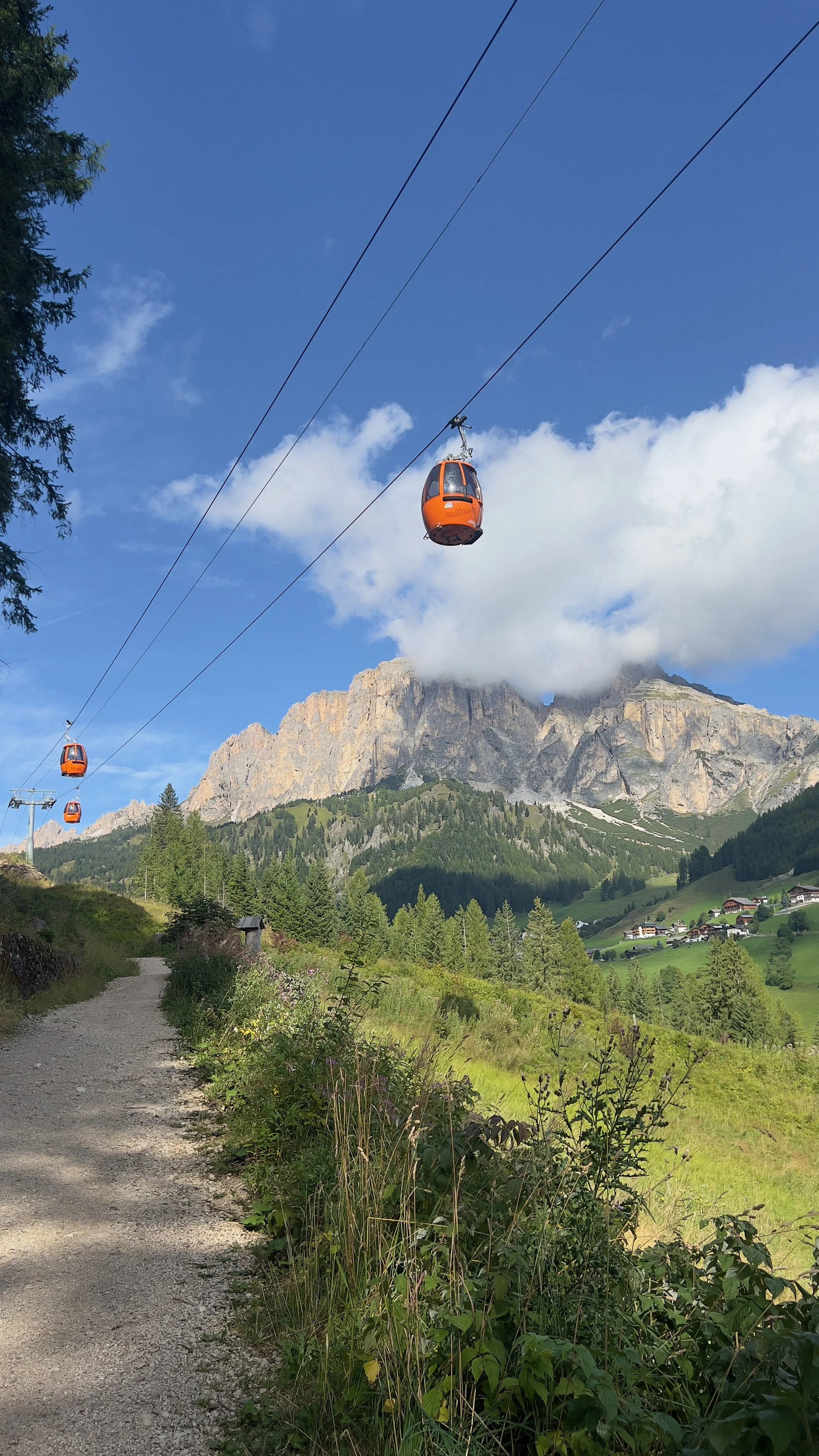
One of the most confusing parts of planning a Dolomites trip is figuring out the lift system.
You quickly discover there are cable cars, gondolas, chairlifts, valley passes, area passes, and the Dolomiti Superski network. Then you start wondering whether you should buy tickets in advance, purchase a day pass, or simply pay as you go.
The good news is that most visitors are overthinking it. Here is a simple guide to understanding your options.
Before you buy any pass
One of the biggest mistakes visitors make is purchasing lift passes before they have a clear idea of their itinerary.
In most cases, waiting until you arrive and can see the weather forecast before buying tickets makes more sense. Mountain weather can change quickly, and a day that looked perfect several weeks earlier may end up being cloudy, rainy, or stormy. For many travellers, buying tickets as needed works perfectly well.
The main exception is Seceda. During peak summer periods, especially in July and August, it is worth checking availability and considering purchasing tickets online in advance if you know it is a priority for your trip.
Where to find lift information
One thing that surprises many first-time visitors is that there is no single Dolomites lift website. Each region operates its own lift network and provides its own information.
Before your trip, check the official websites for the areas you plan to visit. They will have the most up-to-date information on opening and closing dates, daily operating hours, ticket prices, day passes, multi-day passes, and any planned maintenance or temporary closures. This information can change from season to season, so official websites are always the best source.
Single lift tickets
For many visitoprs, single tickets are all they need.
A single ticket allows you to use one lift or cable car, either one-way or return depending on the ticket purchased. They work well if you are only visiting one viewpoint, taking one scenic cable car ride, or planning a flexible day without a fixed itinerary.
For example, if you are taking the Seceda cable car for a half-day visit and not using additional lifts, purchasing individual tickets is often the simplest option. The downside is that costs add up if you use multiple lifts throughout the day.
Day passes
Many areas offer local day passes that cover several lifts within the same valley or network. These are often a good choice if you plan to spend an entire day exploring one area, and work well across connected networks like Val Gardena, Alta Badia, and Alpe di Siusi.
If your plan involves moving between several lifts during the same day, a day pass can offer better value than purchasing individual tickets. Before buying one, estimate how many lifts you expect to use. Sometimes individual tickets remain the cheaper option.
Do you need a multi-day ass?
Many visitors assume they need a multi-day lift pass before they arrive. In reality, most travellers are better served by a combination of individual tickets and the occasional day pass.
Multi-day passes can make sense if you are spending several days in one area, plan to use lifts heavily every day, or hiking is your primary activity throughout the trip. For everyone else, it is worth doing the maths before committing. You may find that paying as you go is actually the cheaper option.
This is one reason a specific pass is hard to recommend without first understanding someone's itinerary.
Dolomiti SuperSummer card
The Dolomiti Superski network covers a huge area and connects many of the best-known regions of the Dolomites. In winter it is one of the most famous ski pass systems in Europe. During summer, various lift operators participate in seasonal pass options depending on the area and dates.
For visitors moving between multiple valleys and using lifts regularly throughout their trip, these broader passes can sometimes make sense. For many travellers they are unnecessary. If your holiday consists of a handful of scenic lift days mixed with village visits, spa afternoons, lake stops, and leisurely walks, individual tickets or local day passes are often sufficient.
Practical tips
Check lift opening dates before your trip as not all lifts operate for the entire summer season. Download the lift maps for the areas you plan to visit. On popular routes like Seceda, Alpe di Siusi, and the major lifts around Alta Badia in July and August, arriving early makes a noticeable difference to your experience.
Always confirm what is covered before purchasing a pass as not every lift is included in every network. Keep your ticket handy throughout the day as many lifts require scanning at multiple points.
Most importantly, buy the pass that matches your actual itinerary rather than the biggest option available. For a fuller picture of which cable cars are worth prioritising and what to expect at the top, the Dolomites Cable Car Cheat Sheet is a useful reference. You can also read the full Dolomites Cable Cars Guide for more detail on specific lifts.
What about driving to the lifts?
Getting to the cable car base station is part of the plan. Parking at popular lift stations in peak July and August fills early, so building an early start into your day is worth doing. For everything you need to know about driving and parking in the region, Dolomites Driving Tips covers it well.
Final thoughts
There is no single best Dolomites lift pass. The right choice depends on where you are staying, how many days you will be using lifts, and how your trip is structured.
Most visitors spend far more time comparing passes than necessary. In reality, a simple combination of individual tickets and the occasional day pass works perfectly well for the majority of trips.
Not sure which lifts are worth prioritising from your specific base? That is exactly what a custom itinerary is built around. I map out your lift days, hiking routes, and driving logistics so everything fits together without guesswork.
