Dolomites Weather: What to Expect and How to Plan Around It
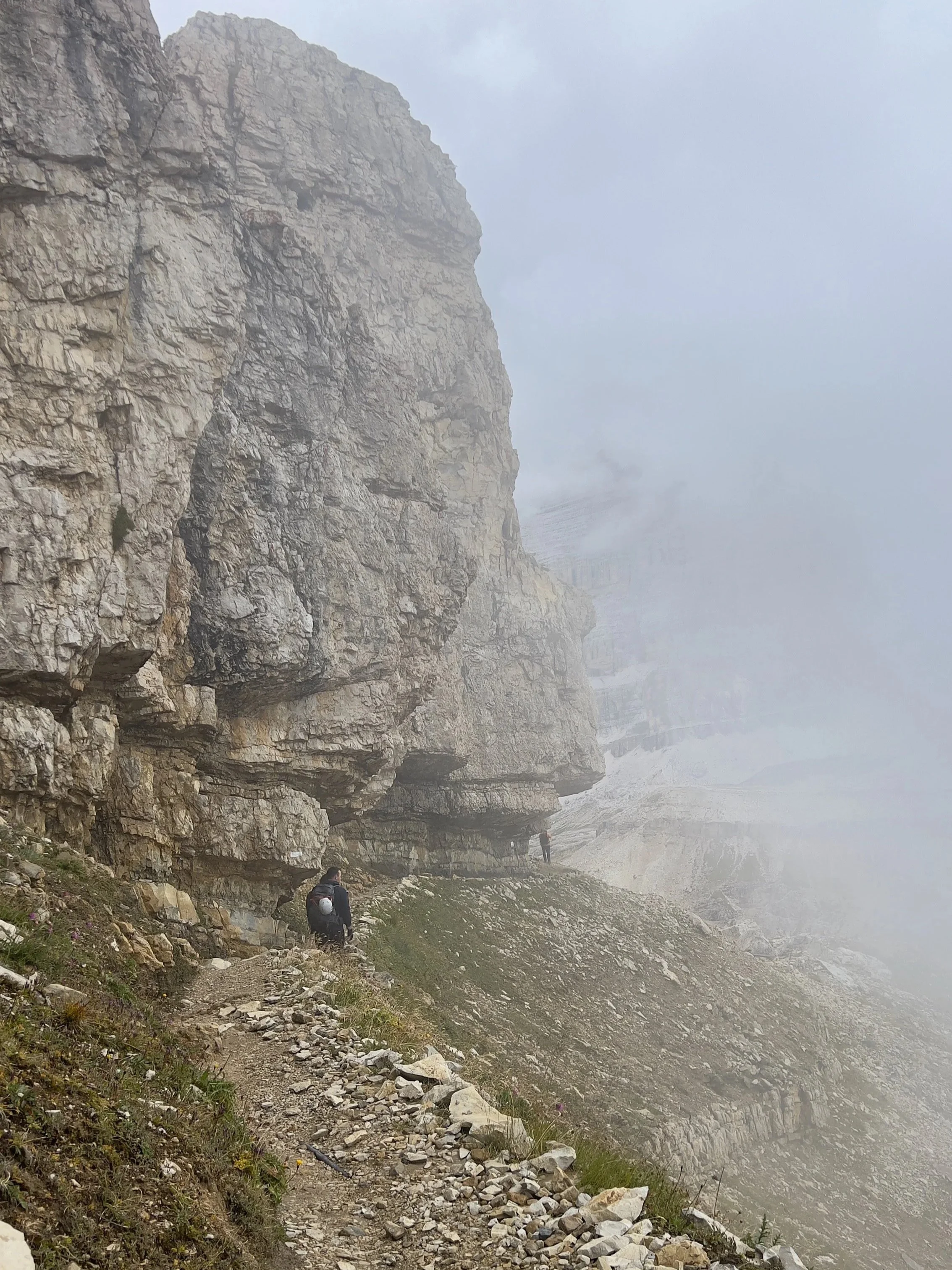
Weather is one of the most common things people worry about when planning a Dolomites trip. It is also one of the things that causes the most frustration when trips do not go as planned. Almost always that frustration comes not from bad weather itself but from planning in a way that does not account for it.
Here is what the weather is actually like and how to build a trip that works with it rather than against it.
What the weather is actually like
The Dolomites have mountain weather, which means it changes quickly and does not always follow forecasts. A clear morning can turn cloudy by early afternoon. A grey start can open up into a beautiful day by 10am. This is not unusual or unlucky. It is just how the mountains work and once you accept it the trip becomes much more enjoyable.
The pattern that holds most consistently throughout the summer months is that mornings tend to be clearer and calmer, with cloud building through the afternoon and occasional storms developing by mid to late afternoon. This is not a rule, but it is reliable enough to shape how you plan your days. Cable car viewpoints and high-altitude walks are almost always better in the morning. Lower valley walks, scenic drives, rifugio lunches, and town time work well in the afternoon.
What a realistic trip looks like weather-wise
On a five-day trip in July or August you might get two or three genuinely clear days, one or two mixed days with some cloud, and possibly one day that is overcast or rainy for most of it. That is a normal trip. It is not a bad one. The people who enjoy their trips most are the ones who plan for this reality rather than expecting clear skies every day and feeling let down when it does not materialise.
The single most useful shift in mindset is this. Stop thinking about good days and bad days. Start thinking about high days and low days. A high day is when conditions are good and you head for the viewpoints and the cable cars. A low day is when you shift to valley walks, scenic drives, a long lunch at a mountain hut, and time in town. Both are good days in the Dolomites. They are just different.
How to plan around it
Do not assign specific activities to specific calendar days before you arrive. The step-by-step planning guide shows how to build a flexible trip structure from the start. Decide your base, identify your three or four key things you want to do, and then allocate them each morning based on what the conditions are doing. This sounds loose but it actually makes the trip more enjoyable and less stressful than a rigid day-by-day schedule.
Check the webcams each morning rather than relying on forecasts. The Seceda, Alpe di Siusi, and Lagazuoi webcams will tell you in thirty seconds whether it is worth heading up or whether it is a lower-level day. That information is more useful than any weather app.
For ideas on how to use a lower visibility day well: Best Day Trips in the Dolomites Without Long Hikes
Why base choice matters for weather flexibility
This is something most people do not think about when choosing where to stay. A base that puts your main activities close by means you can pivot easily when conditions change. If Seceda is cloudy you can go to Alpe di Siusi instead. If both are cloudy you can take a scenic drive through Gardena Pass and be back for lunch. That flexibility only works if your base gives you multiple options within easy reach.
Ortisei is the best base for weather flexibility in the whole region for exactly this reason. Read the full comparison of first-trip bases to understand why. Two major cable cars, easy valley walks, a scenic drive through the pass, and a good town to come back to if everything else closes in.
For help choosing the right base for your trip: Download the free Dolomites Base Guide
The best trips are not the perfectly planned ones
A rigid day-by-day itinerary booked weeks in advance is the single biggest source of weather-related frustration in the Dolomites. When day three was supposed to be Seceda and it turns out to be cloudy, a rigid plan feels broken. A flexible plan just says fine, Seceda moves to day four.
The trips that feel easiest and most enjoyable are almost always the ones built around a good base, a shortlist of key things to do, and the willingness to let the weather help decide the order.
For an example of how this works in practice: Dolomites Itinerary for Non-Hikers
Want help building a flexible trip plan?
If you want someone to map out a realistic structure that accounts for weather and gives you proper options for every kind of day, the planning service is exactly what it is there for.
