What First-Timers Misunderstand About Winter Driving in the Dolomites
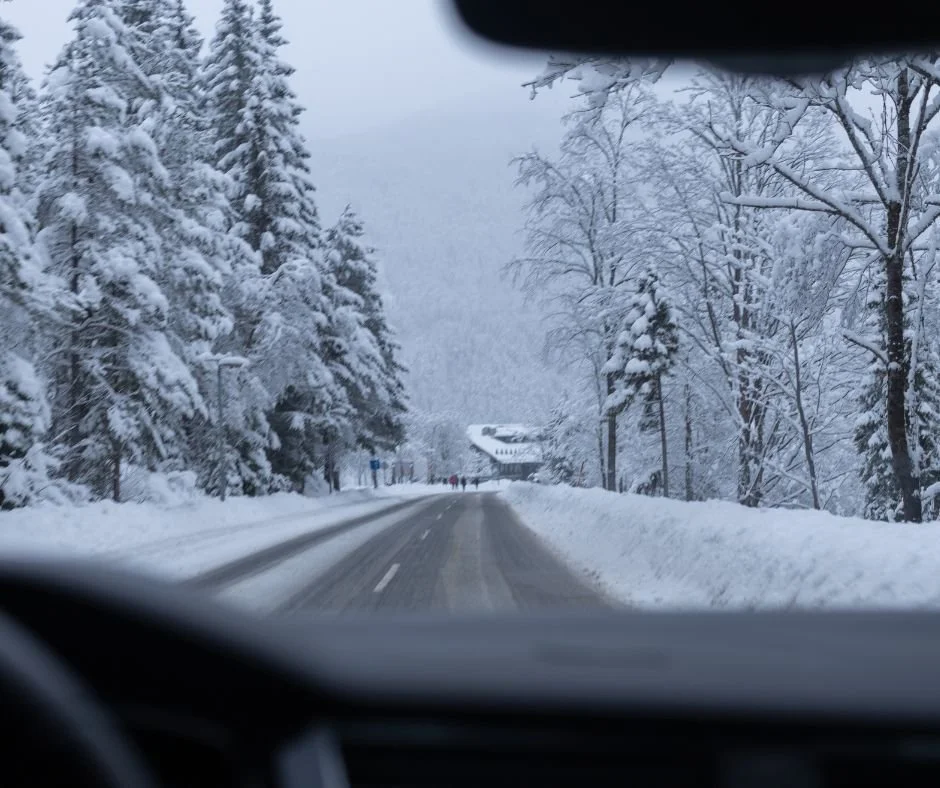
Most winter driving problems in the Dolomites come from people assuming the roads work the same way they do in summer. They do not. The differences are not dramatic but they matter, and knowing them in advance makes the whole trip much smoother.
Passes can close with little warning
Mountain passes like Gardena, Sella, and Valparola are stunning in winter but they can close suddenly due to wind, drifting snow, or ice, sometimes on days that look clear from the valley. This is why a winter itinerary should not rely on crossing a pass at a specific time. If a pass is part of your plan, check conditions that morning and have a backup in mind. It is worth knowing which passes are on your route and whether they are likely to be open for the time of year you are visiting.
Journey times are significantly longer
A drive that takes twenty minutes in summer can take forty or more in winter. Wet roads, reduced visibility, and slower traffic through narrow sections all add time. The practical implication is to plan fewer activities per day and not to schedule things tightly back to back. If you are driving to a cable car, leave earlier than you think you need to.
Chains and winter tyres are not the same thing
Rental cars in the Dolomites will typically have winter tyres fitted in the winter months, but chains are a separate requirement and are not always included. On certain roads and in certain conditions, chains are legally required even with winter tyres. If you think you might be driving mountain passes or smaller access roads, ask your rental company specifically about chains before you drive away. Do not assume they are in the boot.
Night driving is a different experience
Daylight fades early in January and February, often by 4pm. Narrow mountain roads in the dark with patches of ice are not ideal conditions for anyone unfamiliar with the area. Try to complete any longer drives or valley transfers during daylight hours and save evenings for being in your base rather than on the road.
Not all towns are equally easy to reach
Ortisei, Selva, Corvara, and San Candido all sit in wide, well-maintained valleys and are straightforward to reach in winter. Some smaller villages and hotels require narrower, steeper access roads that are more challenging in snow. If your accommodation is in a smaller or more remote location, check the access road situation before you arrive, particularly if you are not an experienced winter driver.
The overall picture
Winter driving in the Dolomites is genuinely manageable. The roads are well-maintained, gritting happens regularly, and local drivers navigate them confidently every day. The key is realistic expectations, enough time built into every journey, and not putting yourself in a position where you need a pass to be open or a specific road to be clear for your day to work.
For help planning a winter trip around realistic driving conditions: How to Plan a 3 to 5 Day Winter Trip to the Dolomites
For the best bases that minimise driving in winter: Best Bases for a Winter Dolomites Trip
Planning a winter trip and want help getting it right?
If you want someone to look at your dates, your route, and your base options and put together a clear plan that works in real winter conditions, the planning service is exactly what it is there for.
