What First-Timers Misunderstand About Winter Driving in the Dolomites
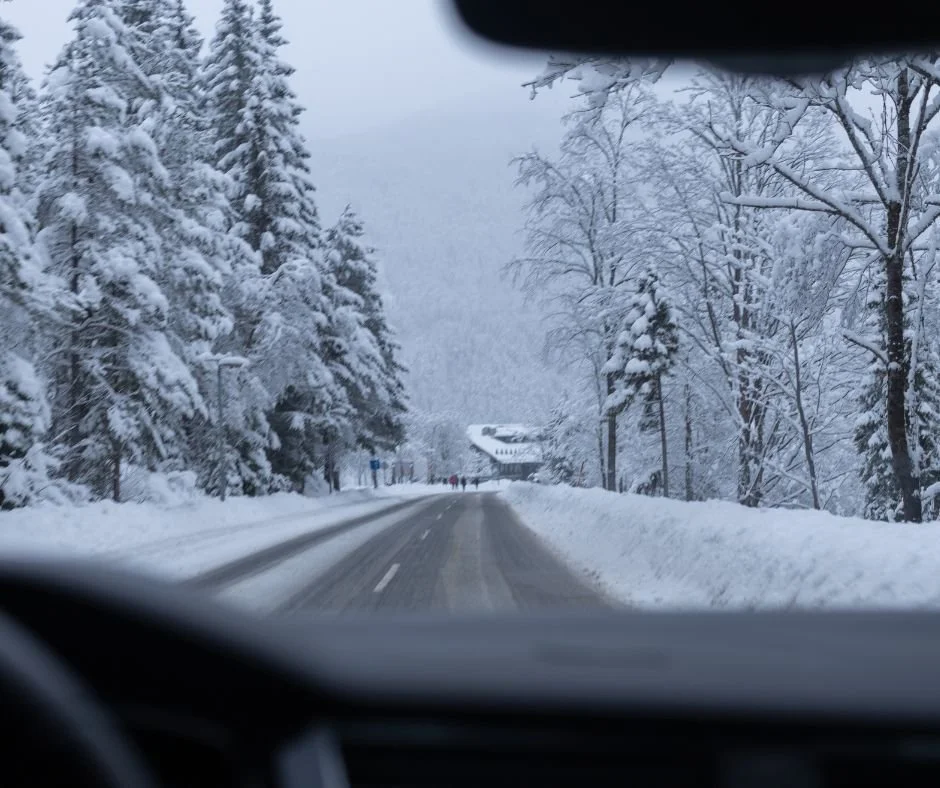
Most winter issues in the Dolomites come from people assuming the roads work the same way they do in summer. They don’t and knowing the differences makes your trip much smoother.
This post explains what first-timers misunderstand about winter driving in the Dolomites, including road conditions, tyres, mountain passes, and what’s actually realistic. I’ve driven the Dolomites in winter across different conditions and base this advice on real roads, not theory.
What First-Timers Misunderstand About Winter Driving in the Dolomites
Passes can close suddenly, even on clear days
Wind, drifting snow, or ice can shut down Passo Gardena, Sella, or Valparola with little warning.
This is why winter itineraries should avoid relying on mountain passes.
Travel times double in winter
A 20-minute summer drive can easily become 40–45 minutes if the roads are wet, dark, or icy.
Plan fewer activities per day to avoid feeling rushed.
Your rental car may not have chains unless you request them
Even with winter tyres, chains are often required on certain days. Most people assume they’ll be included and they’re not.
Night driving is very different here
Early sunsets + narrow roads + icy patches = not ideal for first-timers. Do your valley-to-valley transfers during daylight whenever possible.
Not all towns are equally easy in winter
Ortisei, Selva, and Corvara are simpler because they sit in wide valleys with well-maintained roads. Some smaller towns require tighter, steeper access roads.
