Where to stay in the Dolomites: by region, budget & travel style
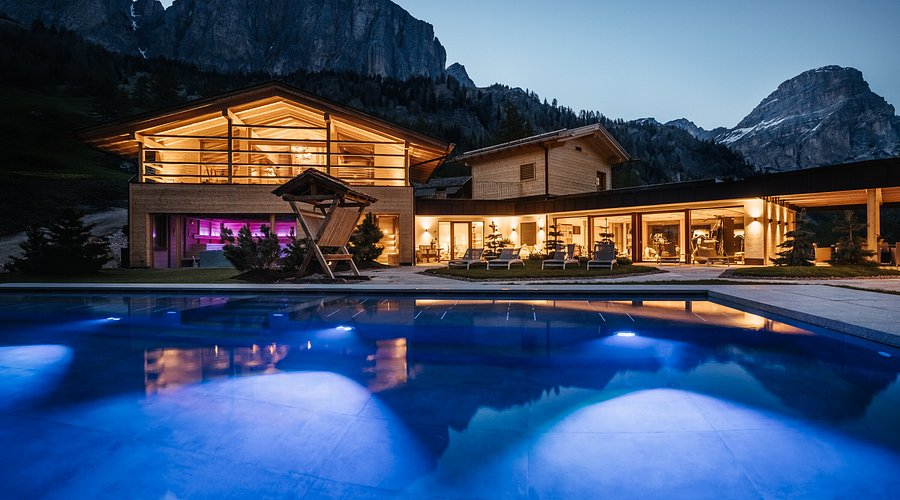
The single most important decision you will make for a Dolomites trip is where to base yourself. Get it right and the whole trip flows - good lift access, manageable drive times, evenings in a place that feels like somewhere rather than just a bed. Get it wrong and you spend half your holiday in the car wondering why everything feels rushed.
This guide breaks down the main areas by what they actually offer, who they suit, and what to expect at different budget levels.
Val Gardena: best all-round base for first trips
Val Gardena is the most lift-rich valley in the Dolomites and the one I recommend most often to first-time visitors. From a single base in Ortisei you can reach Seceda and Alpe di Siusi by gondola directly from the town centre - no car required. The Sella Ronda passes are within 40 minutes. The valley has excellent infrastructure, genuinely beautiful villages, a wide range of hotels, and a level of English spoken throughout that makes it easy to navigate as a first-time visitor.
Val Gardena suits you if you want easy lift access, a proper town atmosphere in the evenings, and the flexibility to explore in multiple directions. It is the safest choice for a first trip and rarely disappoints.
Within the valley, Ortisei is the best all-round choice for most visitors - the most animated, the best positioned for lifts, and the most to do in the evenings. Selva suits active hikers who want to be closer to the mountain terrain. Santa Cristina is quieter and sits between the two in character.
For a full comparison of the Val Gardena towns, read my Is Val Gardena a Good Base post. For lift-accessible walks in the valley that require no car, download my free hiking guide.
Download the free Val Gardena hiking guide
Alta Badia: best for food, scenery and refined atmosphere
Alta Badia - particularly Corvara - is my other top recommendation for first-time visitors, especially those who want a quieter, more refined experience with exceptional food.
The Ladin cuisine of Alta Badia is genuinely outstanding - the rifugi and restaurant scene here is stronger than anywhere else in the Dolomites. The position is exceptionally central for scenic drives, with Passo Gardena, Passo Campolongo, Passo Valparola, and Passo Falzarego all within easy reach. The Boè gondola rises directly from Corvara toward the Sella Group, and the Pralongià plateau is one of the great easy walking areas in the region.
Alta Badia suits people who prefer calm villages over busy town centres, enjoy good food as a central part of a trip, and are happy to use a car for most day trips. It is a slightly more grown-up choice than Val Gardena and consistently attracts visitors who want quality over activity.
For a full guide to Alta Badia including which village to stay in, read my Alta Badia for First-Timers post.
3 Peaks Area (Sesto, San Candido, Dobbiaco): best for drama and lakes
The eastern Dolomites around Sesto, San Candido, and Dobbiaco are the most dramatic and the most relaxed part of the region simultaneously. The Tre Cime di Lavaredo - the three towers that are the most famous landmark in the Dolomites - are the headline attraction, along with Lago di Braies, Val Fiscalina, and Lago di Dobbiaco.
This area suits photographers and people who want a slower, less structured trip - beautiful lake walks, quiet rifugi lunches, evenings in an unhurried village. It is less lift-dependent than the central Dolomites and better for people who enjoy gentle walking and scenic driving over cable car days. It is also the area where budget accommodation is most available - apartment rentals and simple family-run hotels are plentiful around San Candido and Dobbiaco.
For more on visiting Lago di Braies from this area, read my Lago di Braies guide.
Cortina d'Ampezzo: best for town atmosphere and spectacular scenery
Cortina is the most famous name in the Dolomites and the scenery around it is extraordinary. The Ampezzo basin is ringed by dramatic peaks - the Tofane, the Cristallo, the Sorapiss - and the lift access to Lagazuoi and Cinque Torri is excellent for non-hikers.
Cortina is also the most expensive base in the region and the busiest in peak season. The town is glamorous and well-equipped with good shops, restaurants, and a lively atmosphere that the quieter villages don't have. It suits people who want a classic alpine town experience and don't mind paying more for it.
Where to stay by budget
Luxury - Hotel La Perla in Corvara is the most iconic address in Alta Badia - Michelin-starred dining and exceptional service. Hotel Adler Spa Resort in Ortisei is the strongest wellness option in Val Gardena - multiple pools, extensive spa, and direct lift access to Seceda and Alpe di Siusi. Forestis near Bressanone is for people who want complete design-led solitude. Hotel Kolfuschgerhof in Colfosco combines extraordinary views with a serious spa and genuine warmth.
Mid-range - Hotel Posta Zirm in Corvara is my most recommended hotel in Alta Badia - family-run, centrally located next to the main lifts, excellent food, and a good spa for its size. I have reviewed it in detail in my Posta Zirm hotel review. Hotel Marmolada in Corvara is a more contemporary option at a similar price point. Hotel Angelo Engel in Ortisei is well positioned and comfortable.
Budget - Apartments in Corvara, Selva, and around San Candido offer good value and more flexibility for self-catering. Garni-style bed and breakfasts in La Villa, Santa Cristina, and Dobbiaco are consistently well-priced. Simple family-run hotels around San Candido and Dobbiaco are the most affordable option in the region.
How to choose
If it is your first trip and you want maximum impact with minimum logistics, Val Gardena or Alta Badia. If you want dramatic scenery, lakes, and a slower pace, the 3 Peaks area. If food and beautiful meadows are central to the experience, Alta Badia. If you want a proper town with shops and evening energy, Ortisei or Cortina. If you want quiet and simple days at reasonable prices, Dobbiaco or San Candido.
The most important thing is to choose one area and commit to it rather than trying to cover everything. For a full side-by-side comparison of all the main areas, download my free base guide.
Download the free Choose Your Base guide
Want someone to choose for you?
If you have read this and are still not sure which area is right for your specific group, dates, and priorities - that is exactly what my trip planning service is for.
