How to plan a Dolomites trip when winter weather is unpredictable
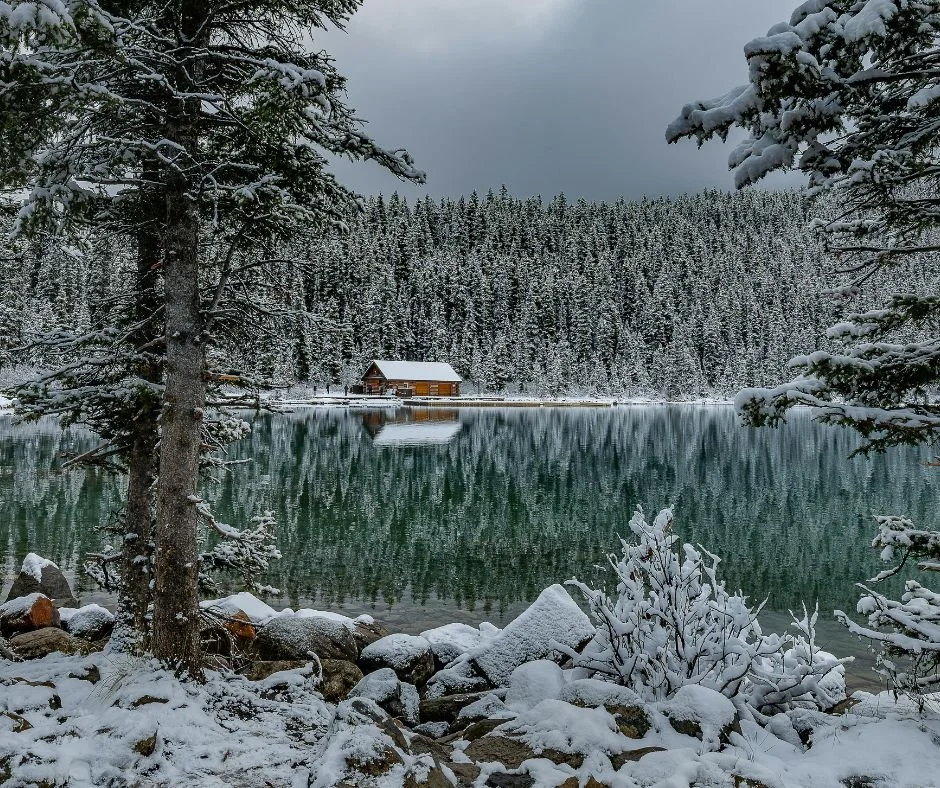
Winter in the Dolomites can be extraordinary. It can also be foggy, overcast, or snowing heavily on a day you had planned around a cable car viewpoint. The weather here changes quickly and does not always follow forecasts. The people who have the best winter trips are the ones who plan with this in mind from the start rather than trying to fight it.
Here is how to do that.
Give every day a plan A and a plan B
The single most useful thing you can do for a winter trip is to decide in advance what each day looks like under two different weather conditions. Plan A is what you do when visibility is good and the lifts are running. Plan B is what you do when it is not. If you only have a plan A, a cloudy day feels like a wasted day. If you have a plan B, it just becomes a different kind of good day.
For most days, plan A is a cable car viewpoint or a walk on the plateau. Plan B is a valley walk, a scenic drive, time in a spa, lunch somewhere good, and a slow afternoon in town. Both are legitimate ways to spend a winter day in the Dolomites. The plan B days are often the ones people end up remembering most fondly.
Planning a winter trip without skiing? Download my free Winter in the Dolomites Guide for practical advice on choosing a base, planning realistic winter days, and knowing what to expect.
Check webcams, not just the forecast
Mountain weather forecasts in winter are notoriously imprecise. A forecast that says partly cloudy can mean stunning blue skies above the cloud line, or it can mean grey fog that sits in the valley all day. The most reliable way to know what conditions are actually like is to look at the webcams before you leave your hotel. Seceda, Alpe di Siusi, Lagazuoi, and Val di Funes all have webcams that show you current conditions in real time. Five minutes of checking in the morning will tell you more than any forecast.
Know which lifts are most reliable
In winter, not all cable cars operate with the same consistency. The main lifts in Ortisei and Corvara tend to be cleared and running early and stay open more consistently than smaller or more exposed stations. High-altitude stations can close unexpectedly if wind picks up, even on otherwise clear days. If your plan is built around a specific lift, check its operating status that morning and have a backup ready.
Keep driving realistic
The valley roads in Ortisei, Santa Cristina, Selva, and Corvara are well-maintained and manageable in winter. Mountain passes are a different matter. Passo Gardena, Sella, and Valparola look very different under snow and can be stressful or closed entirely in poor conditions. If you are not confident driving in snow, plan your days around the valley and use the lifts to get altitude rather than driving over passes to reach different areas. It is a simpler and less stressful approach and usually just as rewarding.
Do not overestimate what the trails look like
A trail that is straightforward in summer can be icy, buried under snow, or completely unrecognisable in January. Winter walking in the Dolomites works best when you stick to maintained valley paths, groomed winter walking routes, and the short flat walks near lift stations. These are designed for regular boots and normal winter conditions. Anything off the groomed paths in January is a different proposition and not something to take on without proper equipment and experience.
Let winter be what it is
The worst thing you can do with a winter Dolomites trip is try to replicate a summer one. The season works differently and it rewards people who slow down and accept its rhythm. A morning in a spa, a long lunch, a short walk in the afternoon, dinner somewhere warm. That is not settling for less. That is exactly what winter here is supposed to feel like.
For more on planning days that work in winter: How to Plan a 3 to 5 Day Winter Trip to the Dolomites
For the best walks that hold up in poor conditions: Easy Winter Walks in the Dolomites
For winter spa options when the mountains disappear: My Favorite Spa Hotels for a Winter Escape
Want someone to build a flexible winter plan around your dates?
If you want a clear itinerary with proper backup options built in for each day, the planning service is exactly what it is there for.
