Do You Really Need a Car in the Dolomites?
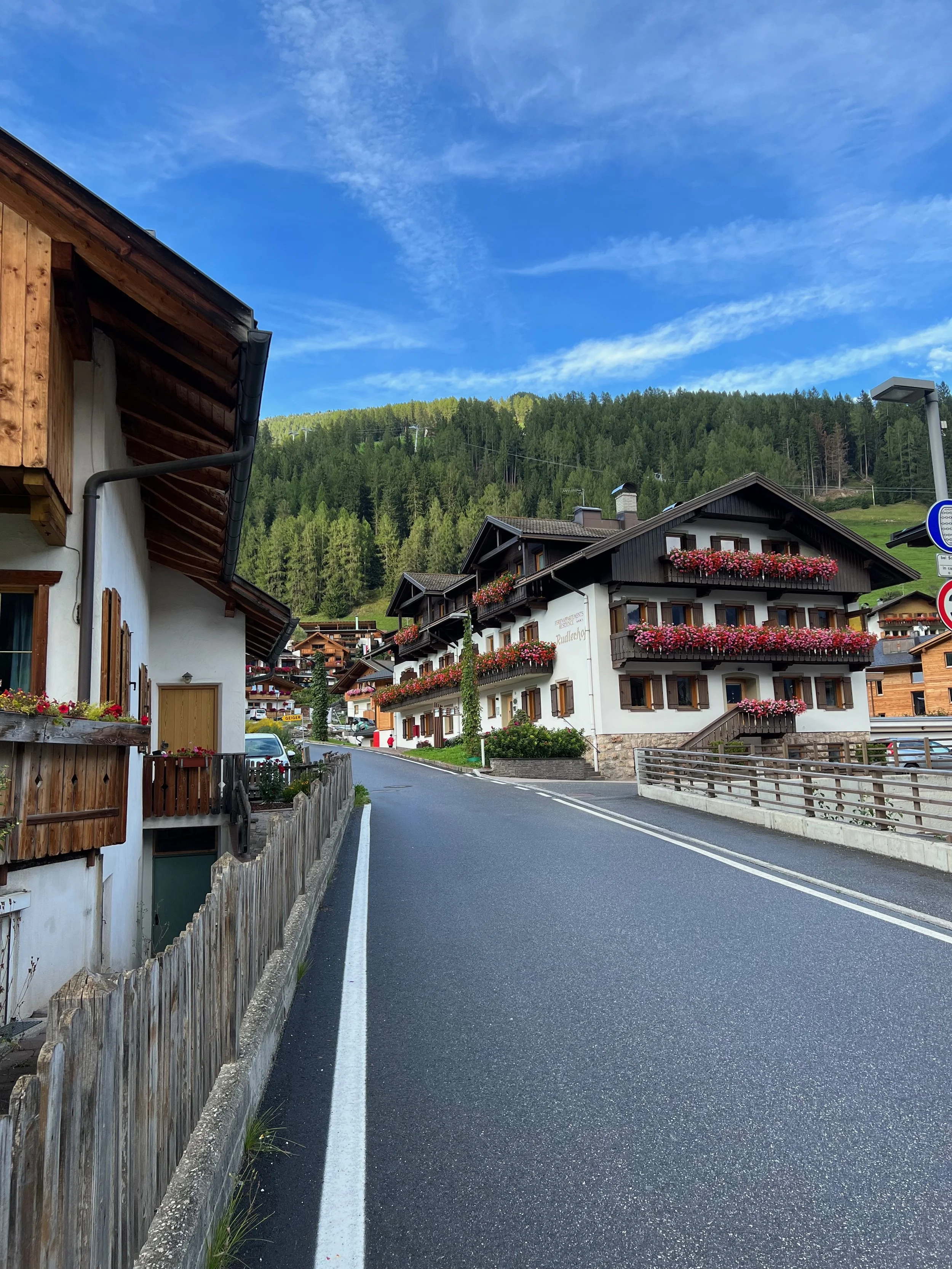
This is one of the most common questions I get from people planning a first trip, and the answer is more nuanced than most guides suggest.
The short version: for most visitors, yes - a car makes the trip significantly easier and opens up far more of the region. But it is not mandatory, and the right base choice can make a car-free trip genuinely enjoyable rather than a compromise.
Here is how to think through the decision properly.
Why Most First-Time Visitors Should Rent a Car
The Dolomites are connected by mountain passes rather than motorways. Public transport exists but it is slow, infrequent between valleys, and stops running in the early evening - exactly when you want to be getting back to your hotel after a long day in the mountains.
A car gives you the flexibility to time your days around the mountains rather than around timetables. You can arrive at Lago di Braies before 8am to beat the crowds, drive Passo Giau in the golden light of early morning, and get back to your hotel whenever the day naturally ends rather than rushing to catch the last bus.
A car is particularly important if you want to:
Drive the scenic passes - the Sella Ronda, Passo Giau, Passo Falzarego, and the Tre Cime road are all best done by car at your own pace, stopping when you want.
Visit remote lakes and viewpoints - Lago di Braies, Lago di Carezza, and many of the best viewpoints in the region are not well served by public transport.
Move between valleys - if you are spending time in two different areas, a car is almost essential. Cross-valley buses are slow and often require multiple changes.
Start early - the best times at popular spots are early morning, before the crowds arrive. Getting to a trailhead or lift station at 7.30am by bus is very difficult in most areas.
When You Can Manage Without a Car
The main exception is if you are based in Ortisei in Val Gardena.
Ortisei has direct lift access to Seceda and Alpe di Siusi from the town centre - no car required for two of the best experiences in the region. There is a regular bus service between Ortisei, Santa Cristina, and Selva within the valley. And the town itself is walkable and pleasant enough that an evening stroll or a late dinner does not require driving anywhere.
If you are happy spending most of your time within Val Gardena - with perhaps one or two taxi or bus excursions further afield - Ortisei is the one base where a car-free trip genuinely works without feeling limiting.
For ideas on what to do in Val Gardena without a car, my free guide covers 5 lift-accessible walks in the valley that require no driving at all.
Download the free Val Gardena hiking guide
The Practical Realities of Driving in the Dolomites
If you do hire a car, there are a few things worth knowing before you go.
Mountain roads are narrower than they look on Google Maps. The passes are genuinely dramatic and the views are extraordinary, but the roads require attention. Take your time, use pull-offs properly, and don't try to drive and navigate simultaneously - have a passenger handle directions or use audio-only navigation.
Parking at popular spots fills fast in peak season. Lago di Braies, the Tre Cime car park, and the main Seceda car park in Ortisei are all effectively full by mid-morning in July and August. Arriving early is the most reliable solution.
Some areas have traffic restrictions in peak season. The road to Lago di Braies is closed to private vehicles during busy periods and a shuttle bus runs instead. The Alpe di Siusi plateau restricts car access from the Siusi side in summer. Check current restrictions for any specific destination before you go.
Winter driving requires snow chains or winter tyres on mountain roads. This is a legal requirement in South Tyrol from November to April and rental cars should come equipped - confirm before you pick up the car.
The Bigger Point
A car makes poor base positioning survivable. It does not fix it.
If you choose a base that requires long drives in every direction, a car just means you spend your holiday driving between valleys rather than standing in them. The answer to a poorly positioned base is not a faster car - it is a better base.
For help choosing a base that minimises unnecessary driving and puts you close to most of what you want to see, download my free base guide.
Download the free Choose Your Base guide
For a clear sense of how long driving actually takes between the main areas, read my Dolomites Driving Times post before you plan your itinerary.
Free Guide: Dolomites Without the Rush
Whether you have a car or not, structuring your days so nothing feels rushed or wasted is the key to a trip that feels genuinely restorative. My free guide covers exactly how to pace a Dolomites trip so every day flows properly.
Download the free Dolomites Without the Rush guide
Want Someone to Design the Itinerary?
If you are unsure whether your planned itinerary actually requires a car, or how to structure your days around realistic travel times and lift schedules, that is exactly what my trip planning service is for.
Or start with the free base guide if you are still deciding where to stay.
