What Surprises First-Time Visitors About the Dolomites
People arrive in the Dolomites with beautiful expectations. And they are almost always right - the region is as spectacular as anything they imagined. But it is also consistently different from what they expected in ways that catch even well-prepared travellers off guard.
These are the things that surprise first-time visitors most - and what to do about each one before you go.
The Scale Is Enormous
Photographs flatten the Dolomites completely. The peaks look dramatic in pictures but the true sense of scale - the width of the valleys, the height of the rock faces, the distance between one group of mountains and the next - only becomes clear when you are standing in it.
This surprises almost everyone. And it has a practical consequence: distances that look manageable on a map take much longer to cover than expected. The Dolomites are not a compact park you can drive across in an hour. They are a large, spread-out region where cross-valley drives regularly take 45 to 75 minutes each way.
The visitors who handle this best are the ones who choose one strong base and explore outward from it, rather than trying to cover the whole region. For help with this, read my Where to Stay for a First Trip post.
Driving Takes Much Longer Than Expected
Mountain roads in the Dolomites are beautiful and slow. The passes are narrow, winding, and shared with cyclists, motorbikes, and other tourists stopping suddenly to photograph the view. Google Maps estimates are optimistic. What it says is 30 minutes is often 50 minutes in practice.
This catches people out badly when they have planned too many stops in a single day. The itinerary looked reasonable at home. On the ground it feels like being in the car constantly.
The fix is to plan fewer things per day, build in realistic driving times, and resist the temptation to add one more stop. For a clear breakdown of how long driving actually takes between the main areas, read my Dolomites Driving Times post.
You Don't Need to Be a Hiker
This surprises people in the best possible way.
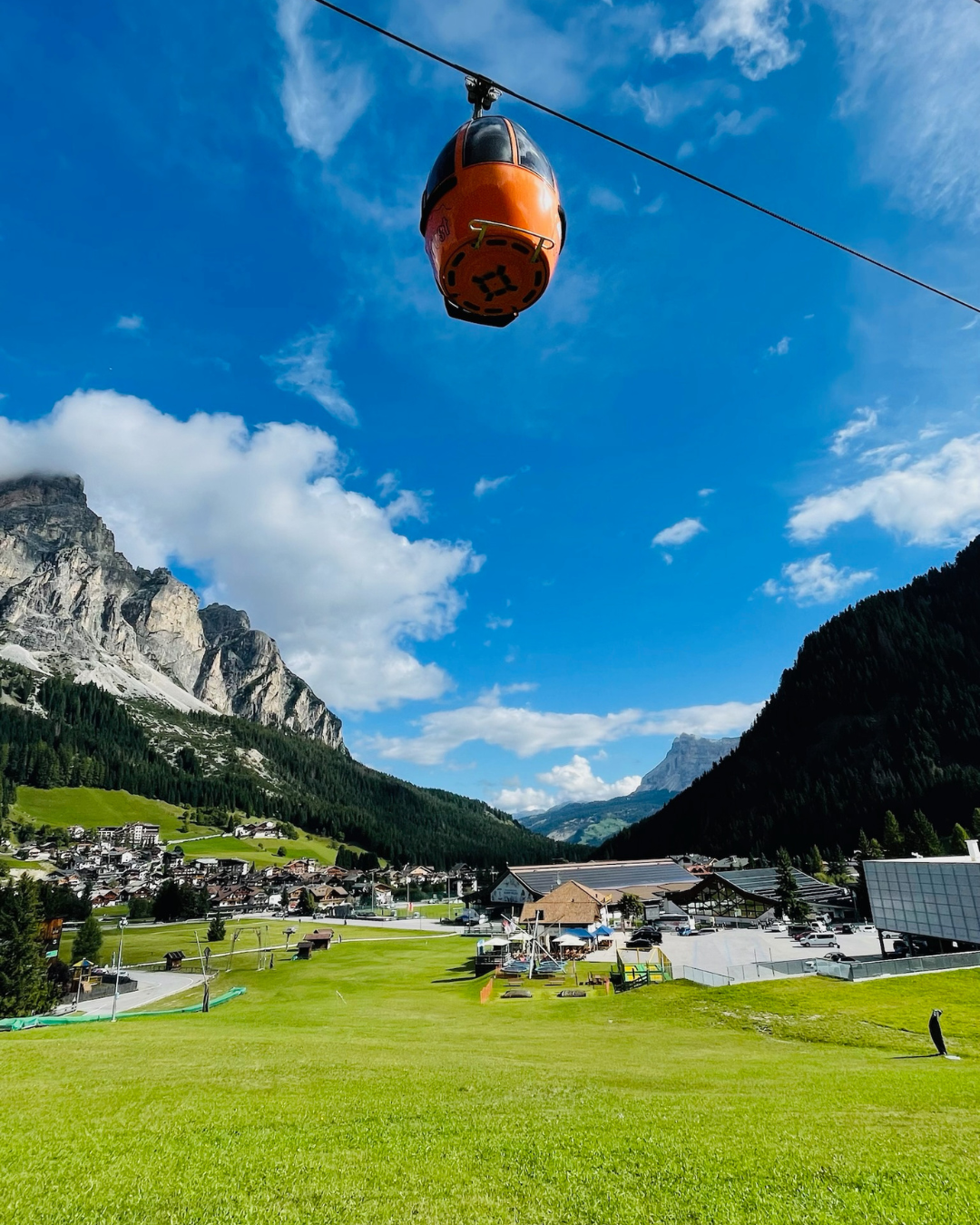
Many first-time visitors assume the Dolomites are primarily a hiking destination and worry whether they are fit enough to see the good stuff. The reality is that the lift network here is extraordinary. Cable cars and gondolas connect valley towns to high alpine terrain across the entire region, putting some of the most dramatic viewpoints in Europe within reach of almost any visitor.
Seceda above Ortisei. Lagazuoi above Cortina. Sass Pordoi in the central Dolomites. All reachable in minutes by lift with minimal walking at the top. These are not secondary experiences for people who can't hike - they are genuine highlights.
For a full guide to the best cable cars and what each one offers, read my Dolomites Cable Cars Guide. Or download the free cheat sheet for a quick reference.
Download the free Cable Car Cheat Sheet
The Food Is Genuinely Exceptional
This surprises nearly everyone and delights almost all of them.
The Dolomites sit at the intersection of Italian and Austrian culinary traditions, filtered through the distinctive Ladin culture of the valleys. The mountain huts - rifugi - serve proper food at altitude: spinach and cheese dumplings, beef goulash, homemade pasta, apple strudel, local wine. Sitting on a sunny terrace at 2000 metres with a plate of something delicious and a view that stretches for miles is one of the defining experiences of a Dolomites trip.
The best rifugi fill up fast in peak season. Book ahead for lunch at popular huts in July and August. For the best places to eat in the mountains, read my Dolomites Mountain Huts Food Guide.
Weather Changes Everything - and That Can Be a Good Thing
First-time visitors often worry about bad weather and wonder whether to go on a cloudy day. The answer is almost always yes.
The Dolomites in cloud and mist have a completely different character from the Dolomites in full sunshine - more dramatic, more atmospheric, sometimes more powerful. The pale rock of the peaks seems to glow in diffused light in a way it doesn't in direct sun. Some of the most memorable experiences people have in the Dolomites happen on days that started grey.
That said, weather does affect what you can do. Lifts sometimes close in high wind or lightning. Passes can be foggy. Building a flexible day with a backup option is always worth doing. The Dolomites reward adaptability.
Each Valley Is a Different World
The Dolomites are not one destination. They are a collection of distinct valleys, each with its own character, its own lift systems, its own food culture, and its own feel.
Val Gardena is lively and lift-rich, with a strong craft tradition and excellent access to Seceda and Alpe di Siusi. Alta Badia is quieter and more refined, known for exceptional food and central access to the great passes. The 3 Peaks area around Sesto is gentler and more relaxed, closer to dramatic lakes and the Tre Cime. Cortina is glamorous and spectacular, with a different atmosphere entirely.
Choosing the wrong valley for your travel style is one of the most common causes of a disappointing first trip. Choosing the right one is one of the most reliable ways to make the trip memorable.
If you are still deciding, my free base guide compares the main areas honestly and helps you choose before you book.
Download the free Choose Your Base guide
The Dolomites Rarely Disappoint - But They Require Intention
The region is as spectacular as its reputation. But it is bigger, slower, and more complex than most people expect. Understanding scale, respecting driving times, choosing the right base, and building flexibility into each day are the things that separate a trip that flows from one that feels rushed.
My free guide covers exactly how to structure a relaxed first trip so the days feel enjoyable rather than exhausting.
Download the free Dolomites Without the Rush guide
Want Someone to Handle the Planning?
If you would rather arrive knowing your base is right, your days are paced realistically, and your itinerary fits your group - that is exactly what my trip planning service is for.
Or start with the free guide if you are still in the early stages.
